A commercially focused cocoa trading partner connecting origin, specification, documentation and delivery.


Who We Are
Wenrex Cocoa works in the trade of cocoa beans and cocoa-derived ingredients for professional buyers. Our role is not limited to moving a commodity from one location to another. A reliable cocoa transaction starts with understanding exactly what the buyer needs: product type, intended application, quality parameters, packing format, quantity, destination, timing and documentary expectations. We use those commercial details to organize sourcing discussions and keep the transaction understandable from first inquiry through shipment.
Cocoa supply is naturally diverse. Beans vary by origin, crop, fermentation and post-harvest handling. Processed ingredients vary by fat content, alkalization, color, flavor, physical format and manufacturing specification. That is why Wenrex approaches each request as a specification-led project rather than a one-size-fits-all catalogue sale. We aim to match the inquiry to an appropriate supply option and make clear which characteristics are indicative and which will be confirmed by an agreed specification, certificate of analysis or contract.
Our Approach
We consider where a product comes from, how it was handled and which commercial characteristics need to be verified before an offer is treated as suitable.
Product names are only a starting point. Fat, pH, color, moisture, fineness, microbiology, packaging and other parameters may be relevant depending on the item.
Quantities, shipment windows, Incoterms, documents and destination requirements are reviewed early so avoidable surprises are reduced later in the process.
We favor traceable communication: what has been requested, what is being offered, which documents are available and what remains subject to confirmation.

From Bean to Ingredient
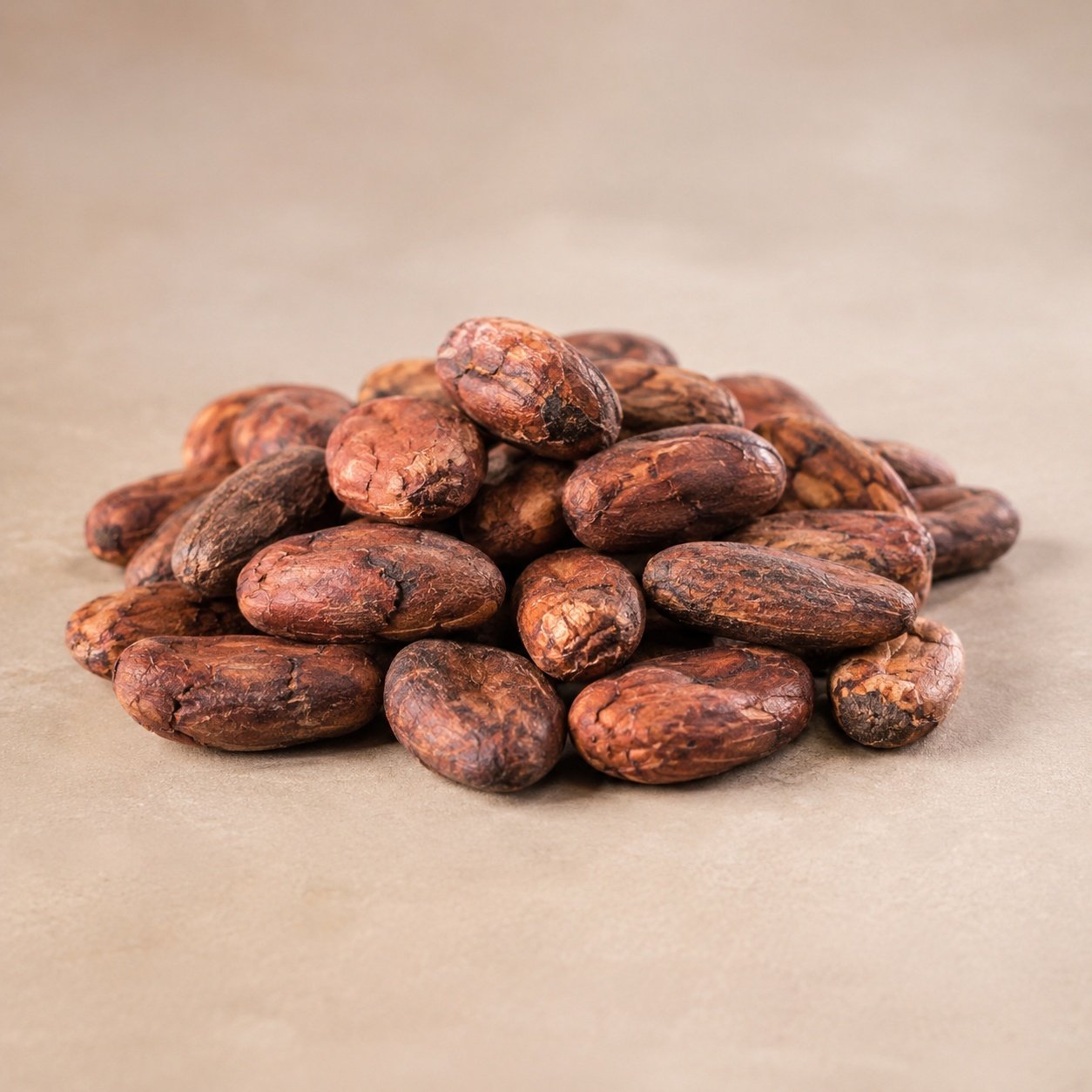
When buyers ask for cocoa beans, cocoa powder, cocoa butter or cocoa mass, the commercial conversation quickly becomes more detailed. Bean buyers may care about origin, crop period, fermentation level, bean count, moisture, defects, flavor profile, bag type and loading configuration. Cocoa powder buyers may instead focus on natural versus alkalized processing, color, pH, fat range, fineness and application performance. Butter buyers may require deodorized or natural profiles, food-industry documentation and a particular block or carton format. Cocoa mass buyers often need clarity on flavor, physical form, cocoa origin and manufacturing use.
Wenrex structures these details before they become operational problems. We encourage buyers to share the intended use, not only the ingredient name. A bakery powder does not always need the same properties as a beverage powder; a dark cookie may be looking for a different color system than a chocolate filling. Similarly, a bean processor may value consistency and processability differently from a specialty roaster seeking a distinctive sensory profile. Understanding application allows the supply discussion to become more relevant.
We also separate marketing language from contractual specification. Terms such as “premium,” “dark,” “high fat” or “strong cocoa” can mean different things to different buyers. A professional transaction is stronger when those descriptions are supported by measurable or agreed parameters. Where certificates, third-party certification or origin documentation are requested, availability should be confirmed for the specific supply lot and contract rather than assumed from a general product description.
This disciplined approach protects both sides of the trade. The buyer receives a clearer basis for evaluation, and the supplier receives a more complete requirement. It also improves the usefulness of samples, technical documents and quotations because they can be reviewed against defined criteria instead of broad expectations.
Commercial Principles
Reliable ingredient trade is built through repeatable processes. Wenrex therefore places value on timely information, realistic commitments and documented commercial steps. We do not treat a preliminary discussion as a final specification, and we do not treat an indicative shipment window as a guarantee until the relevant commercial conditions are agreed. This distinction is important in agricultural commodities, where crop conditions, supplier capacity, vessel schedules and destination procedures can all affect timing.
For buyers, a well-prepared inquiry accelerates evaluation. Useful information includes the required product, approximate monthly or shipment quantity, destination country and port, packaging preference, target specification, certification requirement if any, intended application and preferred trade term. When these elements are available, potential mismatches can be identified earlier and the quotation process can focus on realistic options.
For supply partners, we value accurate technical documents, current availability, transparent minimum quantities and clear loading conditions. We also expect product claims to be supportable. If a characteristic must be confirmed by laboratory analysis, certificate or batch documentation, it should be treated that way. This makes the transaction easier to audit and helps prevent misunderstandings when goods move between production, warehousing, freight and the customer.
Our objective is to create a dependable bridge between cocoa origin and industrial demand. That means understanding the language of both sides: the agricultural reality behind cocoa and the technical, operational and commercial requirements of manufacturers. It also means staying practical. A successful deal is not only a good price; it is the right product, in the right condition, with the right documentation, arriving according to the agreed commercial plan.

We support cocoa ingredient sourcing conversations, specification matching, quotation preparation, packaging and quantity coordination, documentation planning and shipment communication. Depending on the product and supplier, technical data sheets, certificates of analysis, origin documents or certification evidence may be available. These are confirmed case by case.
Our product scope centers on cocoa beans, cocoa powders, cocoa butter and cocoa mass/liquor, while related options can be evaluated when commercially relevant. We work with a B2B mindset and present products for professional manufacturing and trade use rather than consumer retail.
We do not assume that every origin, certification, specification or packaging format is continuously available. We also avoid presenting generic values as final contractual values. Agricultural and processed cocoa products can vary, so the final commercial basis should be the agreed offer and supporting documentation for the actual supply.
This approach gives buyers room to define what they need while keeping the website informative rather than misleading. It is especially important for certifications, allergen statements, microbiology, heavy metals, food-safety limits and country-specific regulatory requirements, all of which may require current supplier documentation.
Working Principles
We look for enough information to identify a realistic product and shipment basis. At minimum, the product family, approximate quantity and destination should be known. For processed ingredients, application and target specification make the review much stronger. If a certification, packing format or delivery window is mandatory, it should be stated before a price is treated as comparable. A request that only says “best cocoa powder price” may receive follow-up questions because the lowest number is not useful if the grade, packing or freight basis is different from what the buyer actually needs.
The site presents Wenrex as a cocoa trading and supply-coordination business. A trading model can involve sourcing from qualified processors, exporters or origin partners rather than manufacturing every item in one Wenrex-owned plant. For that reason, technical sheets, certifications, plant details and exact product specifications are confirmed for the source proposed in a specific transaction. This is also why the website avoids assigning one universal specification to every powder, butter, mass or bean offer. The commercial offer should identify the applicable source and documents where that information matters.
Yes. A buyer can provide an internal specification, target range or finished-product requirement and ask whether a suitable supply can be matched. A custom request does not automatically mean a supplier will manufacture a new grade; sometimes an existing product already fits, and sometimes the requested combination is not commercially available. The useful first step is to separate mandatory parameters from preferences. That allows sourcing to focus on what truly determines acceptance, while leaving room to compare technically equivalent options that may differ in code, origin or processing route.
Certification claims are tied to scope. A company, site, product, transaction or chain-of-custody system may be certified while another product handled by the same organization is not. Status can also expire or change. Wenrex therefore treats certification as a document-backed commercial requirement rather than a permanent website promise. When a buyer requires organic, Rainforest Alliance, Fairtrade, halal, kosher or another scheme, the request should be included in the inquiry so the proposed source can be checked and the relevant evidence can be reviewed before the order is finalized.
Samples are especially useful when color, flavor, roast character, application performance or physical form is important. They allow the buyer to test a candidate against its current ingredient and process. A sample should be linked to a clearly identified product or source so that approval has commercial meaning. Sample approval still does not replace the agreed bulk specification because agricultural ingredients can show normal variation. The best process uses both: a representative sample for practical qualification and a written specification or acceptance criteria for the commercial shipment.
Forecast visibility, clear specifications and structured feedback make a major difference. When a buyer can share expected monthly or quarterly volume, preferred shipment windows and any seasonal peaks, the supply side can evaluate continuity instead of treating every order as an isolated spot request. After delivery, useful feedback on color, flavor, processability, packaging and documentation helps future matching. Consistency is not created by repeating the same product name; it is created by keeping the commercial and technical reference points stable and communicating when a change is proposed.
A quality concern should be documented promptly with lot identification, delivery condition, photographs where relevant, retained samples and test results. The applicable contract should define notification periods and claims procedure. Wenrex can coordinate information between buyer, supplier, laboratory, logistics provider or insurer depending on the issue. It is important to distinguish product non-conformity from transport damage, storage problems or application differences. Objective evidence and an agreed test method make the review faster and fairer for all parties.
Buyers remain responsible for confirming that an ingredient is suitable for their recipe, manufacturing process, labeling and destination regulations. Website content and even a supplier data sheet cannot replace the buyer’s legal and technical qualification process. Where contaminant limits, allergens, claims, nutritional declarations or import rules are critical, the buyer should review current documentation and applicable law. Wenrex can support the information flow, but a professional B2B transaction works best when each party performs the due diligence appropriate to its role.
Business Inquiry
Share your product, quantity, destination, packaging and target specification. Wenrex Cocoa can structure the inquiry around the commercial details that matter.
Request Information