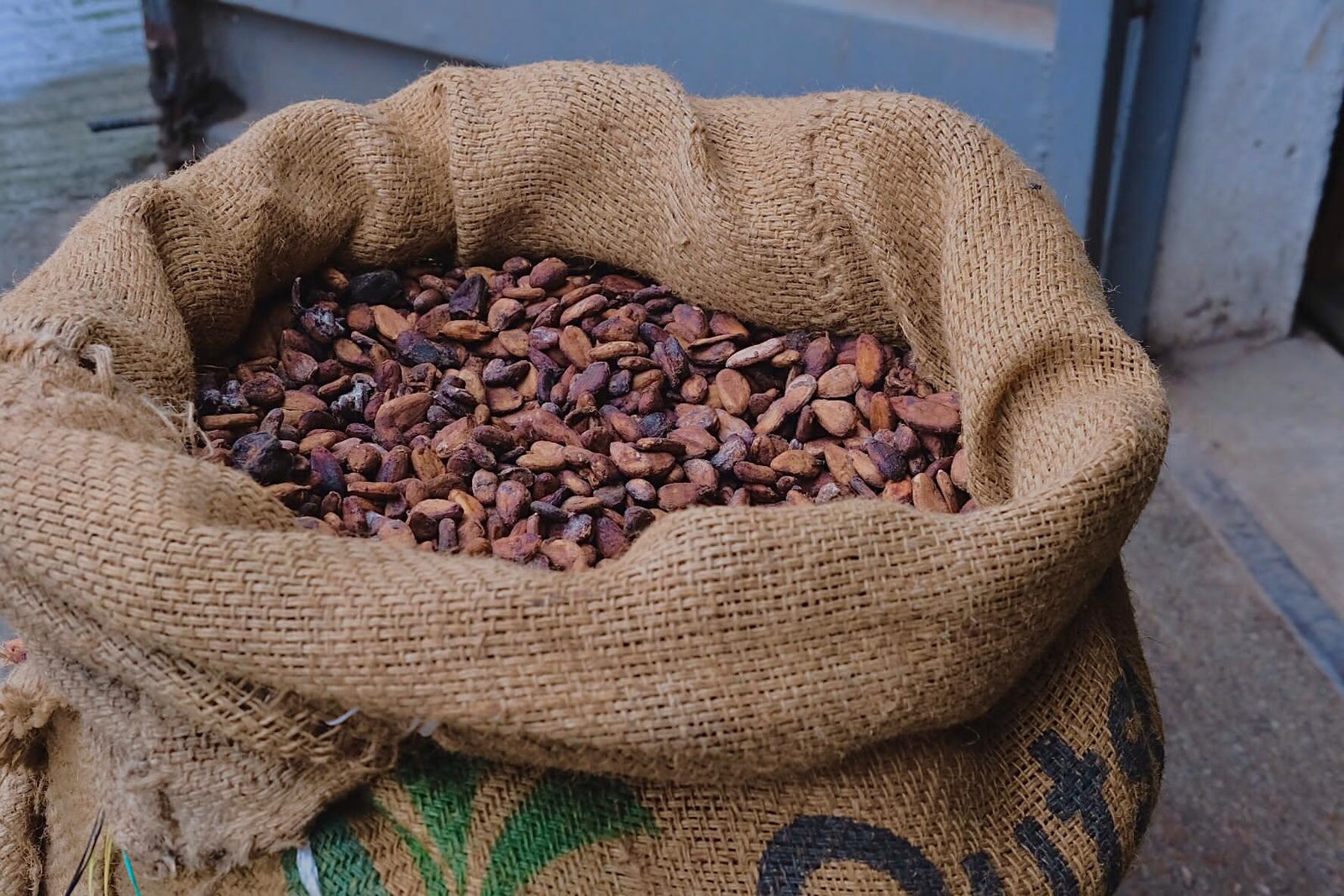
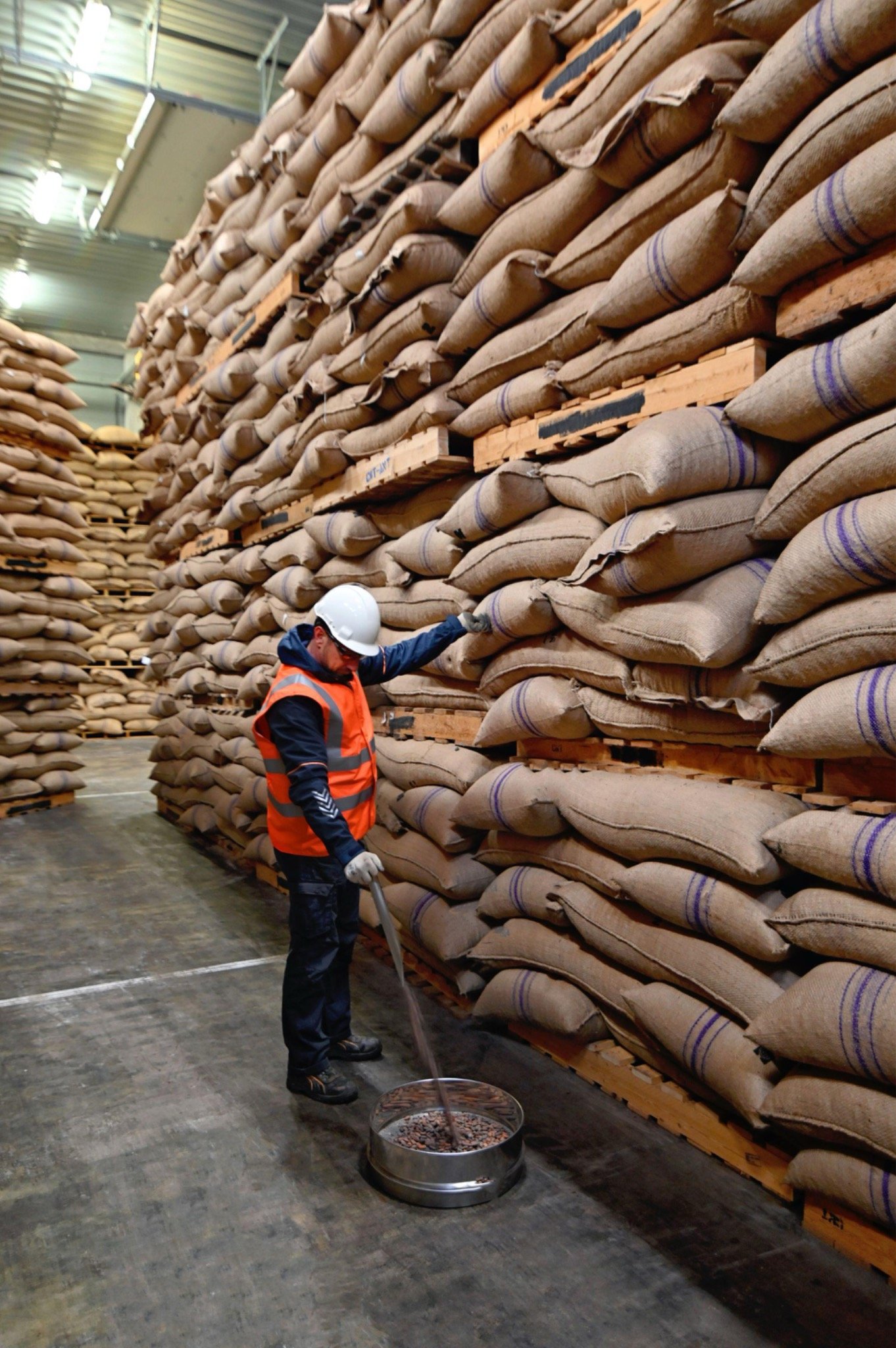
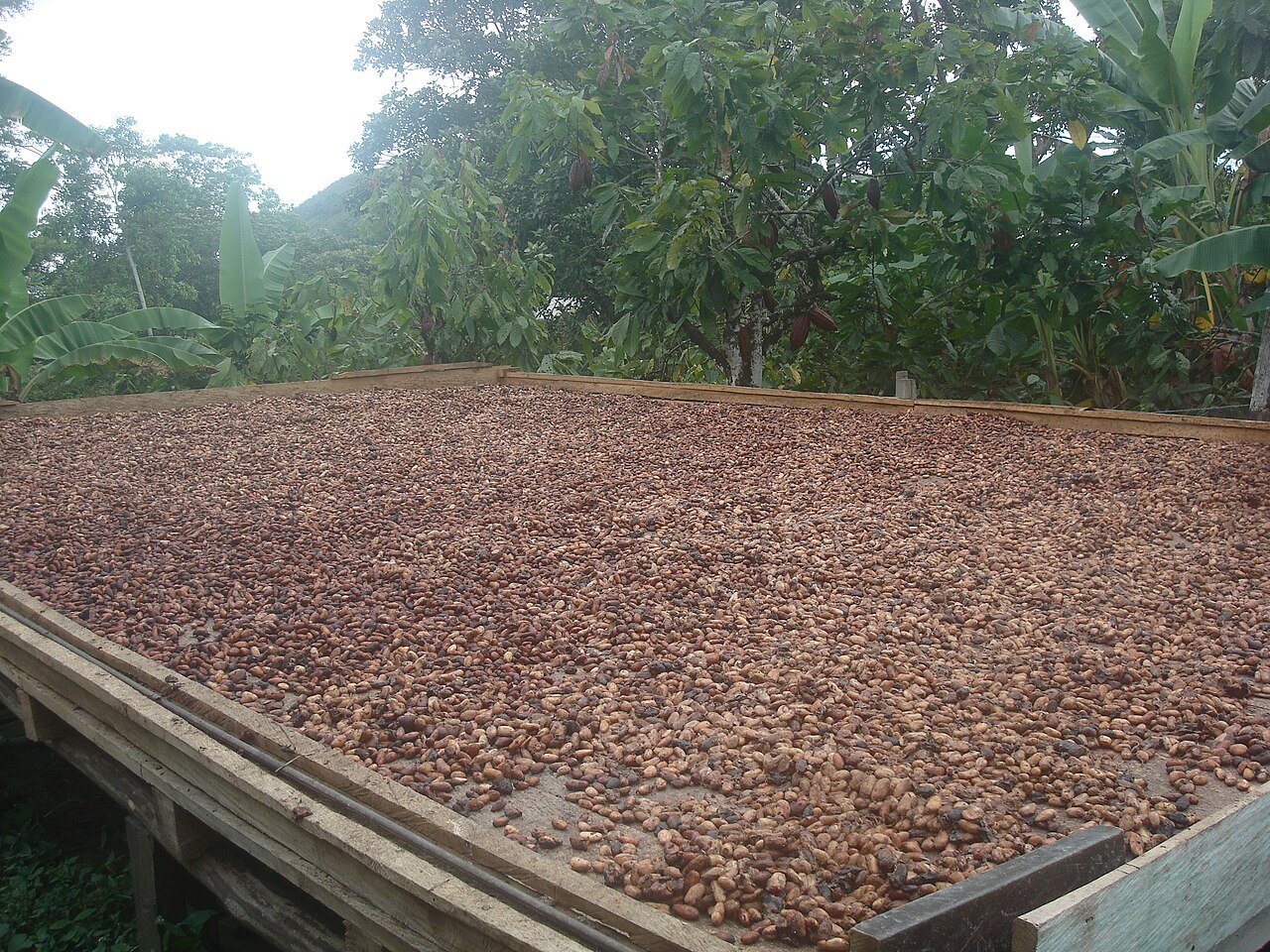
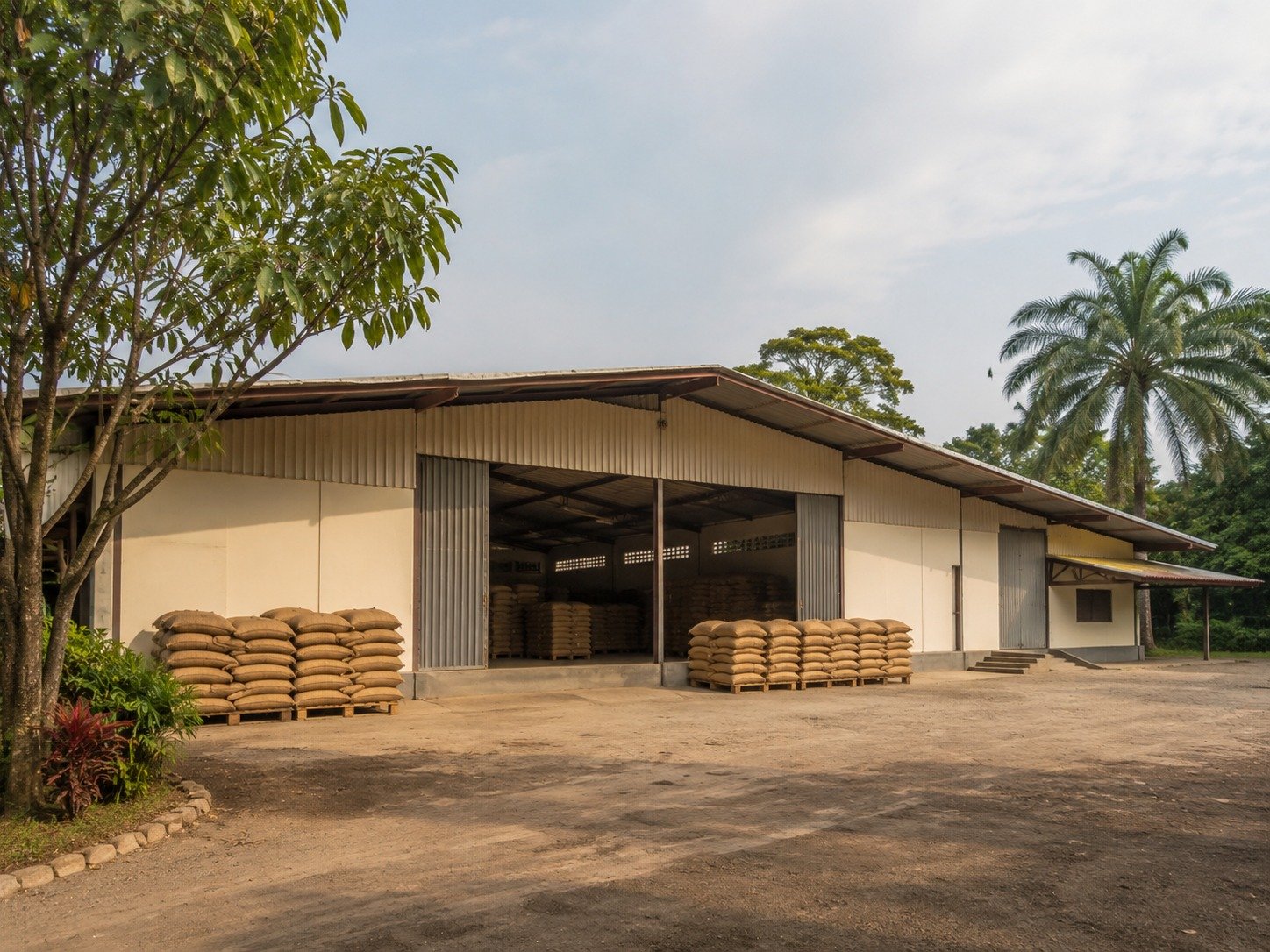
A structured B2B process from inquiry and specification through documentation, loading and delivery communication.
Trade Workflow
International cocoa trade combines technical product selection with operational execution. Wenrex organizes the process in stages so buyers and suppliers can see what must be confirmed before the next step. The sequence typically includes inquiry, specification review, source matching, quotation, document review, sample qualification where needed, contract confirmation, production or allocation, pre-shipment coordination, loading, transport documentation and delivery follow-up.
Not every transaction uses every step. A repeat buyer purchasing an established grade may move quickly, while a new specification or certified origin may require more technical review. The purpose of the workflow is not bureaucracy; it is to reduce uncertainty and make responsibilities clear.
Product, quantity, destination, specification, packing, certification and timing are collected.
Potential supply is screened and the commercial basis is prepared with appropriate conditions.
Technical data, sample, documentation and contract terms are reviewed as required.
Packing, loading, documents, transport milestones and delivery communication are coordinated.

Quotation Stage
A quotation is only useful when its basis is clear. Wenrex therefore aims to identify product specification or grade, quantity, packaging, shipment window, origin or production source where relevant, Incoterm, destination, payment structure and offer validity. If certification or specific documentation is part of the requirement, that should also be identified.
Incoterms are especially important because they define which party is responsible for costs and risks at different points in the movement. An EXW or FCA offer cannot be directly compared with CIF or DDP without considering freight, insurance, import charges and operational responsibilities. Buyers should compare offers on a consistent basis and confirm which destination costs are included.
Payment terms depend on commercial relationship, risk, jurisdiction and transaction structure. Wenrex does not publish a universal payment promise because terms are negotiated per transaction. Documentary instruments, advance payments or other structures may be considered depending on the deal. Buyers should ensure bank details and beneficiary information are verified through secure communication to reduce fraud risk.
Offer validity can be short in commodity and freight markets. Cocoa ingredient pricing may be affected by commodity markets, processing premiums, certification premiums, currency and logistics. Freight rates and vessel space can also change. A quotation should therefore be treated according to its stated validity rather than assumed to remain open indefinitely.
Documentation
Typical trade documents include commercial invoice, packing list and transport document such as a bill of lading or road consignment note. Depending on origin, destination and product, additional documents may include certificate of origin, health or sanitary documentation, phytosanitary documents for raw agricultural material, fumigation statements, weight certificates, analysis certificates, insurance documents or certification transaction records.
Technical documents are separate from shipping documents but often reviewed before contracting. These can include technical data sheets, allergen statements, microbiological standards, contaminant declarations, certificates and quality-system documents. Buyers should identify which documents are mandatory and which are preferred. Requiring every possible document can delay the transaction without adding value, while omitting a genuinely mandatory document can create customs or customer problems.
Names, addresses, product descriptions, HS codes, quantities and weights should be consistent across documents. If the importer needs a specific wording, it should be requested before issuance. Corrections after a vessel departs may involve fees or may not be possible for certain official certificates.
Digital copies can accelerate review, but originals may still be required depending on banking, customs or certification procedure. The buyer should confirm whether couriered originals are necessary and how many sets are needed.

Risk & Quality
Quality risk is managed by defining specifications, using appropriate supplier controls, reviewing documents and inspecting or sampling where commercially justified. A certificate of analysis can show measured results for a lot, but the buyer should understand which parameters are tested, the methods used and whether an independent inspection is required by contract.
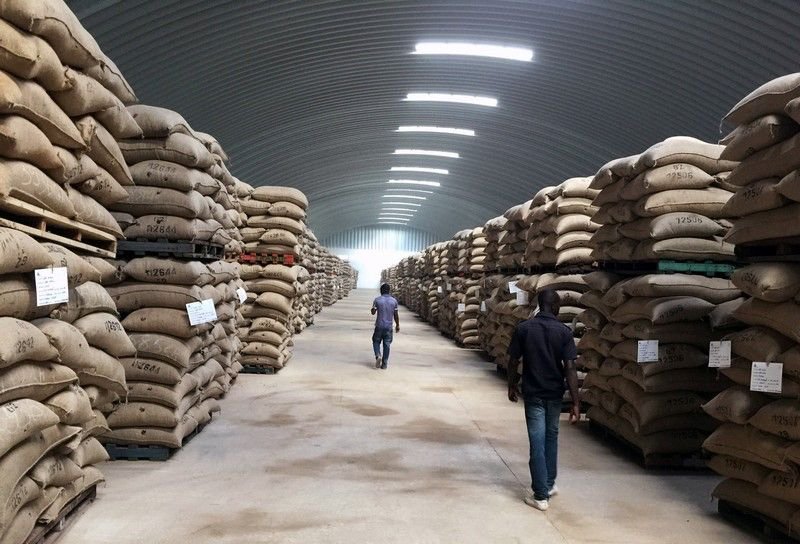
Packaging and container condition are also quality controls. Food ingredients should be protected from contamination, moisture and strong odors. Containers should be suitable for the cargo and loading method. Photographs of loading, seal numbers or independent surveys may be used in some transactions depending on risk and value.
Transit risk includes delay, temperature exposure, moisture and physical damage. Cocoa butter and mass can be sensitive to heat; beans can be sensitive to moisture and odor; powder bags need protection from water and puncture. The route and season should inform the logistics plan.
Communication is a control in itself. Buyers should receive material updates when milestones change rather than only at the end of the process. Wenrex’s aim is to keep commercial partners informed about order status, documentation and expected timing, while recognizing that carriers, ports, customs and weather can affect schedules beyond a trader’s direct control.
On arrival, the buyer should inspect goods and packaging promptly and follow the contract procedure if a discrepancy is found. Photographs, lot numbers, delivery records and test reports can be important evidence. Clear claims procedures protect both buyer and seller and help distinguish transport damage from product-quality issues.


Product name and target specification; approximate quantity; country and destination port or city; preferred Incoterm; packaging; intended application; certification requirements; required documents; target delivery or shipment window; and whether a sample is needed before commercial order.
Providing these details at the beginning reduces back-and-forth and allows sourcing to focus on suitable options. If some information is unknown, the application and destination are still useful starting points.
Execution FAQ
Freight should be considered early enough that the quotation reflects the real destination basis, but the final booking timing depends on contract, cargo readiness and carrier conditions. Cocoa and freight markets can move independently. If a buyer compares a product price without a realistic freight basis, the landed-cost comparison can be misleading. The offer should state whether freight is included and how long that component remains valid.
An Incoterm defines important responsibilities and risk-transfer points, but the named place or port and the contract details still matter. “CIF” without a named destination is incomplete, and “FCA” can involve different loading responsibilities depending on the location. Buyers and sellers should use a current Incoterms rule, name the location precisely and ensure payment, documentation and insurance expectations are consistent with it.
Carrier schedules can change because of port congestion, weather, blank sailings, transshipment or operational issues. Wenrex can communicate updates and coordinate revised documents or planning where possible, but a published sailing is not the same as a guaranteed arrival. Contracts should distinguish estimated shipment or arrival dates from strict guarantees and address force majeure or delay provisions appropriately.
Independent inspection can be useful for high-value, first-time or specification-sensitive shipments, or when a contract requires third-party verification of quantity, loading or quality. It adds cost and time, so the scope should be defined clearly. The inspector’s method, sampling plan and report should align with the contract; otherwise a third-party certificate can create new disputes instead of resolving uncertainty.
Key commercial documents should be checked before final issuance where possible. Confirm company names, addresses, product description, quantities, weights, container and seal numbers, Incoterm, port details and any required statement. Documentary-credit transactions can have additional strict wording. A short draft review can prevent amendment fees, customs delays or discrepancies later.
Inspect the container and packaging promptly, record any visible damage, verify lot and quantities, and follow the agreed sampling or quality procedure. If there is a problem, preserve evidence and notify the relevant party within the contractual period. Waiting until the product has been fully used or mixed with other lots can make a legitimate claim much harder to investigate.
Treat changes to bank details, beneficiary names or payment instructions as high-risk events. Verify changes through a trusted communication channel independent of the email requesting the change. Use controlled company procedures for approvals and maintain clear records. Trade documentation and bank security are not merely administrative details; they are part of protecting the transaction.
Stable packing, labeling, pallet configuration, document templates, booking patterns and forecast visibility reduce repeated setup work. After each shipment, record any destination issue such as pallet height, label language, customs wording or warehouse receiving constraint. Those operational lessons should be incorporated into the next order so the supply chain improves rather than restarting from zero each time.
A robust supply chain assumes that some shipments will face exceptions. Production can be delayed, vessels can roll, documents can need correction, ports can become congested and buyers can change receiving schedules. The commercial process should therefore define escalation paths and decision points before a problem occurs. Knowing who approves a substitute vessel, amended document, partial shipment or revised delivery window can save valuable time.
Change control is especially important for food ingredients. A logistics solution should not silently change product source, packaging or specification just to meet a date. If an alternative grade or supplier is proposed, the buyer may need technical approval. Separating logistical substitutions from technical substitutions protects product qualification and avoids creating a hidden compliance problem.
Communication should be milestone-based. Useful updates include order confirmation, production or allocation status, cargo readiness, booking confirmation, container loading, document issuance, departure, transshipment where relevant and estimated arrival. The exact level of detail can be agreed with the customer. A clear cadence reduces unnecessary follow-up while ensuring important changes are visible early.
After delivery, a short operational review can improve the next shipment. Record customs issues, document corrections, pallet or bag handling problems, port delays and receiving feedback. Repeated trade becomes more efficient when those lessons are incorporated into future instructions rather than treated as isolated incidents.
For repeat orders, master data deserves attention too. Consistent product descriptions, supplier names, HS codes, package units and consignee details reduce document errors. When a legal entity, port, bank or labeling instruction changes, the change should be communicated through an authorized channel and reflected across all relevant documents. Small master-data errors can create large delays in customs, banking or warehouse receiving.
Frequently Asked
Our core focus is cocoa beans and cocoa-derived ingredients such as cocoa butter, cocoa powder and cocoa mass/liquor.
Yes. Product discussions can be structured around origin, specification, quantity, packaging, destination and commercial terms.
Wenrex is positioned for international trade and coordinates supply and documentation requirements according to each transaction.
Use the contact page and provide the product, expected quantity, destination and any important specification details so the inquiry can be evaluated efficiently.
Business Inquiry
Send the product, quantity, destination, specification and target timing. Wenrex will use that information to organize the commercial discussion.
Request Information