Responsible cocoa trade depends on traceable information, credible documentation and improvement across origin and supply relationships.

Responsible Trade
Cocoa sustainability covers environmental, social and economic questions that begin at farm level and continue through aggregation, processing, trade and manufacturing. Wenrex treats these topics as part of commercial due diligence. Buyers increasingly need to know where cocoa comes from, which certification or verification system applies, how suppliers manage traceability and whether documentation supports the claims attached to a product.
We avoid presenting a broad sustainability statement as proof that every shipment meets every scheme. Certification and traceability status must be confirmed for the specific product, supplier and chain of custody. This distinction is important because a company may handle both certified and conventional material, and availability can differ by origin, crop and product.
Clearer information about country, supplier and relevant sourcing program supports better risk review.
Traceability models can range from documented supply-chain records to certified chain-of-custody systems.
Claims should be backed by current certificates, supplier declarations, audits or other appropriate evidence.
Responsible sourcing must also be commercially workable so farmers, suppliers and buyers can sustain the relationship.
At Origin
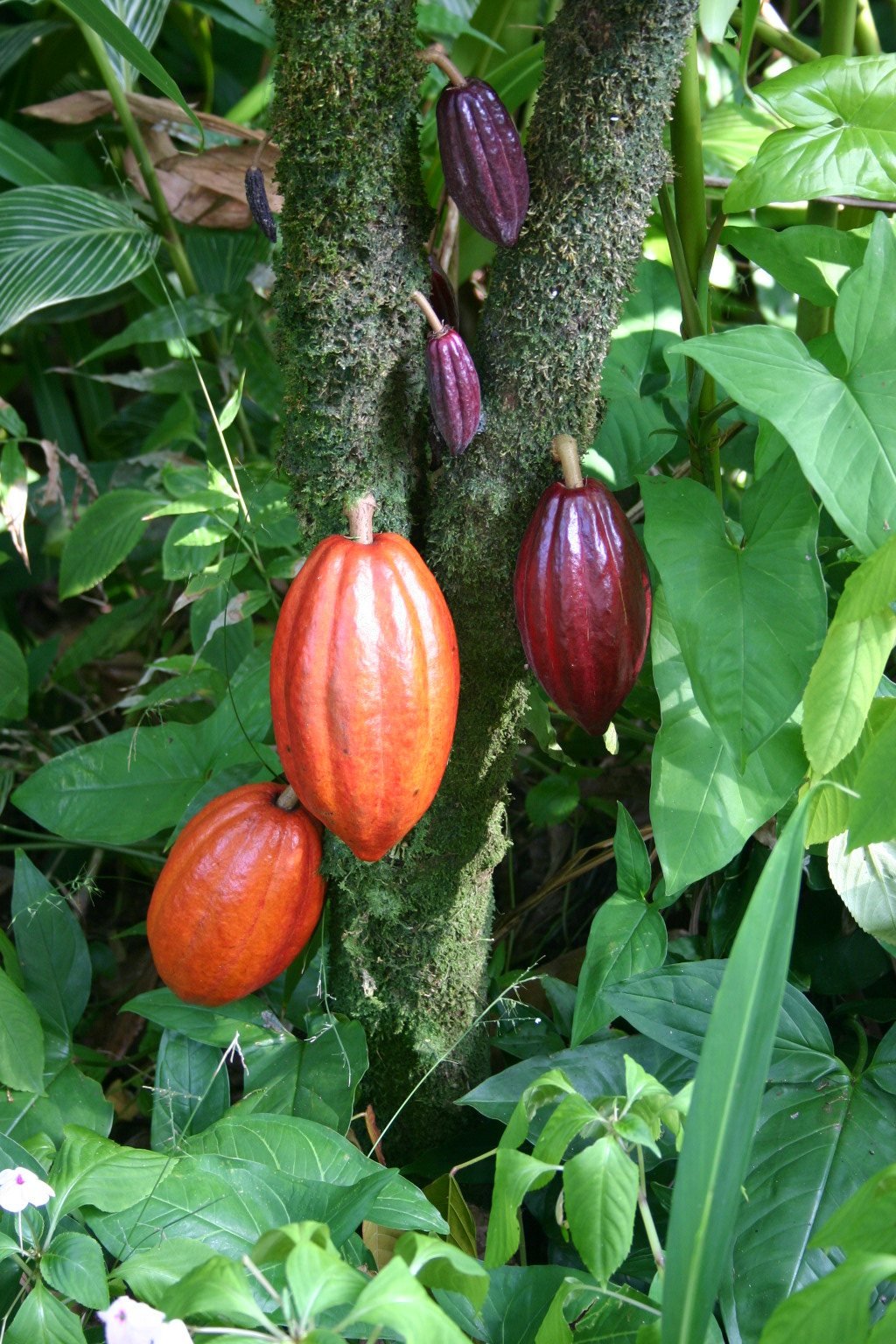
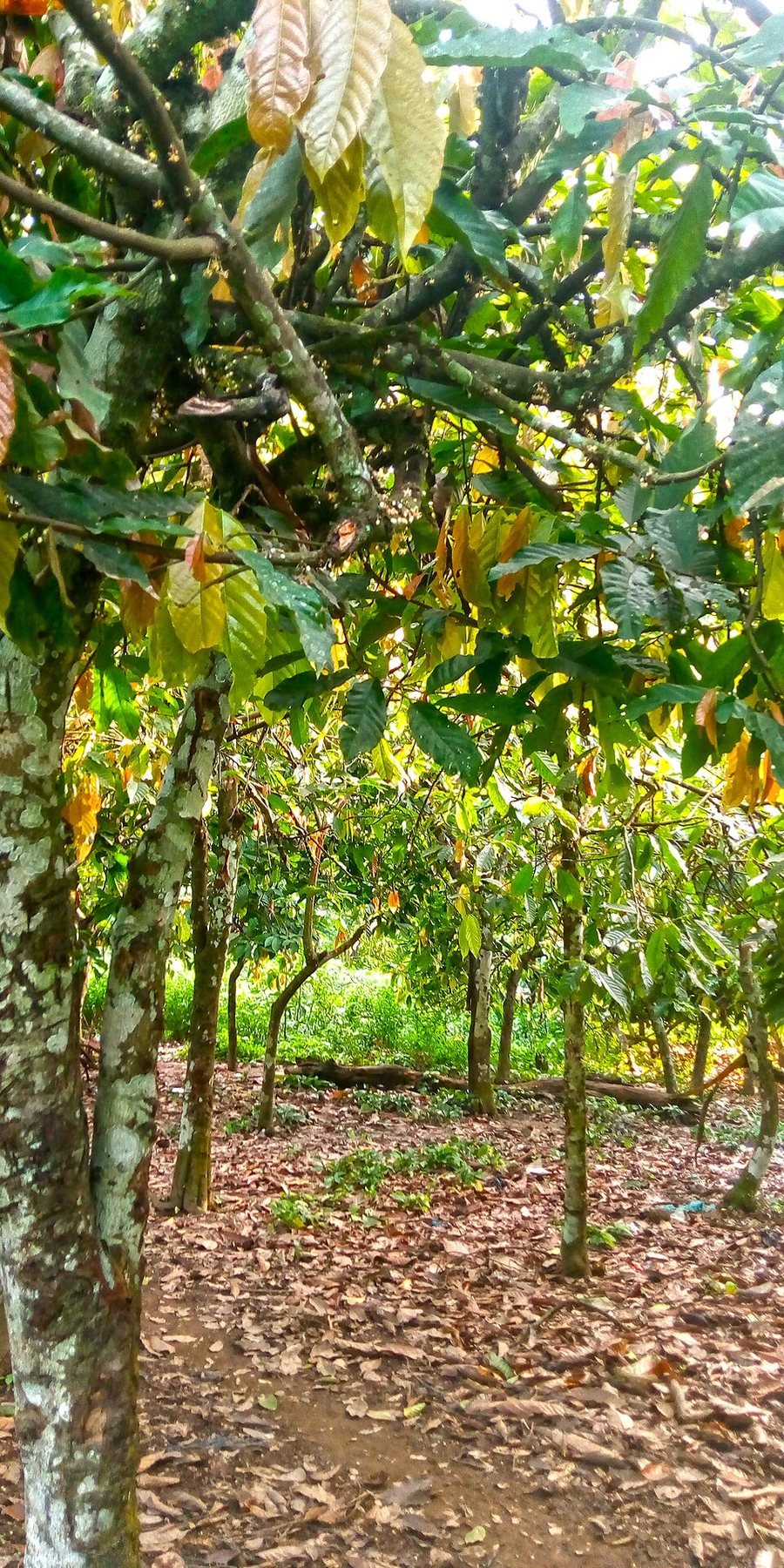
Cocoa grows in tropical regions where land use, soil health, shade systems, water, biodiversity and climate resilience can all affect long-term productivity. Good agricultural practices can support both yield and environmental performance, but conditions differ between regions and farms. Sustainability programs may address training, replanting, agroforestry, input use, erosion control or farm mapping, depending on the organization involved.
Deforestation risk has become a major focus in cocoa supply chains, particularly for markets with regulatory due-diligence expectations. Buyers may require geolocation or traceability information that connects cocoa to farm areas and enables risk assessment. The exact data requirement depends on destination law, buyer policy and the supply-chain system. Wenrex can coordinate document requests with supply partners but does not claim regulatory compliance without the relevant evidence.
Climate change adds another layer. Cocoa is sensitive to rainfall patterns, temperature, pests and disease. Resilient farming can involve shade management, diversified crops, improved planting material and better soil practices. These interventions require long-term investment and local expertise. A trader’s responsible role is to support transparent sourcing and credible programs rather than oversimplify farm realities.
Waste and resource efficiency are also relevant in processing. Cocoa shells, wastewater, energy use and packaging each have environmental impacts. Processing suppliers may have their own reduction targets or management systems. Where a customer has a formal environmental requirement, Wenrex asks for it specifically and seeks corresponding supplier information.


People & Livelihoods
Cocoa supply chains can involve smallholder farmers, seasonal labor, cooperatives, local buyers, warehouses, processors and exporters. Social sustainability therefore cannot be reduced to one certificate logo. Important topics can include farmer income, labor conditions, child-labor risk, health and safety, gender inclusion, access to training and the stability of local market relationships.
Certification and supplier programs can provide structured requirements and monitoring, but buyers should understand the scope of the system they rely on. A valid certificate can show that a product or organization is within a certification program; it does not mean every social challenge in the surrounding region has disappeared. Responsible procurement combines verified claims with continuous due diligence and realistic expectations.
When customers require a specific scheme, Wenrex asks that it be stated clearly in the inquiry. Rainforest Alliance, Fairtrade, organic and other programs have different standards, chain-of-custody rules and commercial implications. Availability can also change between products. Cocoa beans from a certified program do not automatically mean every derived powder or butter line is available with the same certification at all times.
Commercial relationships matter as well. Extremely short-term purchasing focused only on spot price can make continuity and improvement more difficult. Where possible, better forecasts and repeat business can help suppliers plan certified or traceable volumes. Sustainability works best when it is integrated into procurement rather than added as an afterthought.
Buyer Due Diligence
First, define the claim. Is the buyer asking for a certified product, a traceable origin, farm-level geolocation, a supplier code of conduct, social-audit information or simply a statement of country of origin? These are different requests and require different evidence.
Second, check scope and validity. A certificate should cover the relevant legal entity, site, product and time period. If chain of custody matters, the transaction documentation may need specific certificate numbers or sales documentation. Generic marketing material should not substitute for current proof.
Third, understand segregation or accounting method. Some sustainability systems allow physical segregation, mass balance or other chain-of-custody models. The buyer should know which model is acceptable for its own claim and customer commitments. Wenrex can relay this requirement when matching supply.
Fourth, consider destination regulation. Import requirements and due-diligence obligations can change. Customers remain responsible for their legal compliance, but early communication allows the supply side to determine whether the required data can be provided.
Finally, keep records. Contracts, certificates, declarations, invoices and shipment documents create the evidence trail. A responsible supply chain is easier to demonstrate when commercial and sustainability documentation are organized together rather than stored as disconnected files.

Due Diligence
No. Certification can provide a structured standard, audit process and chain-of-custody framework, but sustainability includes broader environmental, social and economic outcomes. A certified product can be a useful component of responsible sourcing, yet buyers should still understand scope, traceability model and supplier due diligence. Wenrex therefore treats certification as verifiable evidence for a defined claim, not as proof that every sustainability challenge has been solved.
Traceability can mean different levels of visibility: country of origin, cooperative or exporter, processing site, farm group, or individual farm geolocation. The appropriate level depends on regulation, customer policy and certification system. Buyers should define the evidence they need. A vague request for “100% traceable” can create confusion if the parties do not agree on the point in the chain to which the product must be traced.
Some markets and corporate policies increasingly require evidence that agricultural commodities are not linked to prohibited deforestation and can be connected to production areas. Farm mapping and geolocation can support this due diligence. The data requirement is not identical in every jurisdiction or program, so buyers should identify the legal or policy basis for the request and confirm whether the proposed supply chain can provide the necessary information.
Social risks such as child labor, unsafe work or income pressure require credible monitoring and remediation systems, not only marketing statements. Supplier programs may include farm visits, community monitoring, training, grievance mechanisms or third-party audits. The buyer should review available evidence within the scope of the transaction and recognize that responsible sourcing is an ongoing process rather than a one-time declaration.
Yes. Certified premiums, segregation, traceability systems, limited origin availability, additional documentation and smaller production runs can affect cost and lead time. Buyers should include sustainability requirements at the beginning so they are built into sourcing and pricing. Adding them after a conventional product has already been selected can require a new source and restart the qualification process.
Depending on the applicable system, useful records can include contracts, invoices, certificates, transaction references, origin declarations, chain-of-custody documentation, supplier due-diligence records and shipment documents. Regulatory obligations may require additional data. Records should connect the sustainability claim to the actual transaction rather than exist only as generic corporate brochures.
Predictable demand can give suppliers more confidence to plan certified volumes, farm programs and documentation systems. It does not automatically guarantee better outcomes, but stable commercial relationships can create room for investment and feedback. Buyers that communicate forecasts and pay attention to total value rather than only spot price may be better positioned to build consistent responsible-sourcing programs.
State the cocoa product, destination, requested certification, traceability level, any farm-level or geolocation requirement, expected volume and timing. If the request comes from a customer standard or regulation, share the exact evidence expected. Wenrex can then ask potential suppliers the right questions and determine whether the proposed chain can support the claim before a commercial offer is finalized.

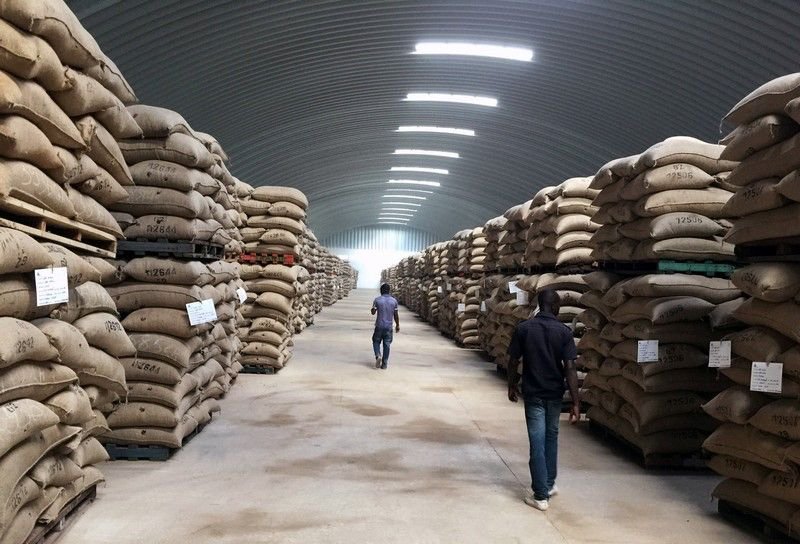
Sustainability evidence should remain connected as cocoa moves from origin to processor, trader and customer. Lot identification, transaction records, certification references and shipment documents can help maintain that chain. The exact system depends on the sourcing model, but disciplined records make claims easier to verify and due-diligence questions easier to answer.
A practical responsible-sourcing program converts broad commitments into checkable buying requirements. Instead of asking only whether cocoa is “sustainable,” the buyer can specify the certification scheme, chain-of-custody model, traceability level, geographic data, supplier policy, audit evidence or transaction documents it requires. This makes the request easier to verify and prevents different teams from using the same word to mean different things.
Risk-based due diligence is also more useful than collecting documents without context. Higher-risk origins, unclear supply chains or new suppliers may justify deeper review, while established programs with verified systems may be monitored through periodic updates. The appropriate approach depends on regulation, company policy and customer commitments. Wenrex can support information gathering, but the buyer should define the decision rules that determine whether evidence is sufficient.
Claims made downstream should remain consistent with the chain-of-custody system upstream. If a certification uses mass balance, a finished-product claim should follow the rules of that scheme rather than imply physical segregation when it does not exist. Marketing, quality and procurement teams should align before a claim is promised to customers. This protects credibility and reduces the risk of buying a certified ingredient that cannot support the intended label statement.
Responsible sourcing is therefore part of normal commercial governance. It belongs in specifications, supplier approval, contracts, records and change control. When sustainability requirements are treated with the same discipline as fat content, pH or packaging, they become easier to manage and audit across repeated transactions.
Supplier improvement should also be considered alongside supplier screening. When a gap is not a legal or zero-tolerance issue, some buyers use corrective-action plans, deadlines and follow-up evidence rather than immediately ending the relationship. This can support real improvement while maintaining commercial accountability. The appropriate response depends on risk severity, law, customer policy and whether the supplier is willing and able to address the issue.
Business Inquiry
State the product, destination and exact sustainability or certification requirement so availability and documentation can be checked for the proposed supply.
Request Information