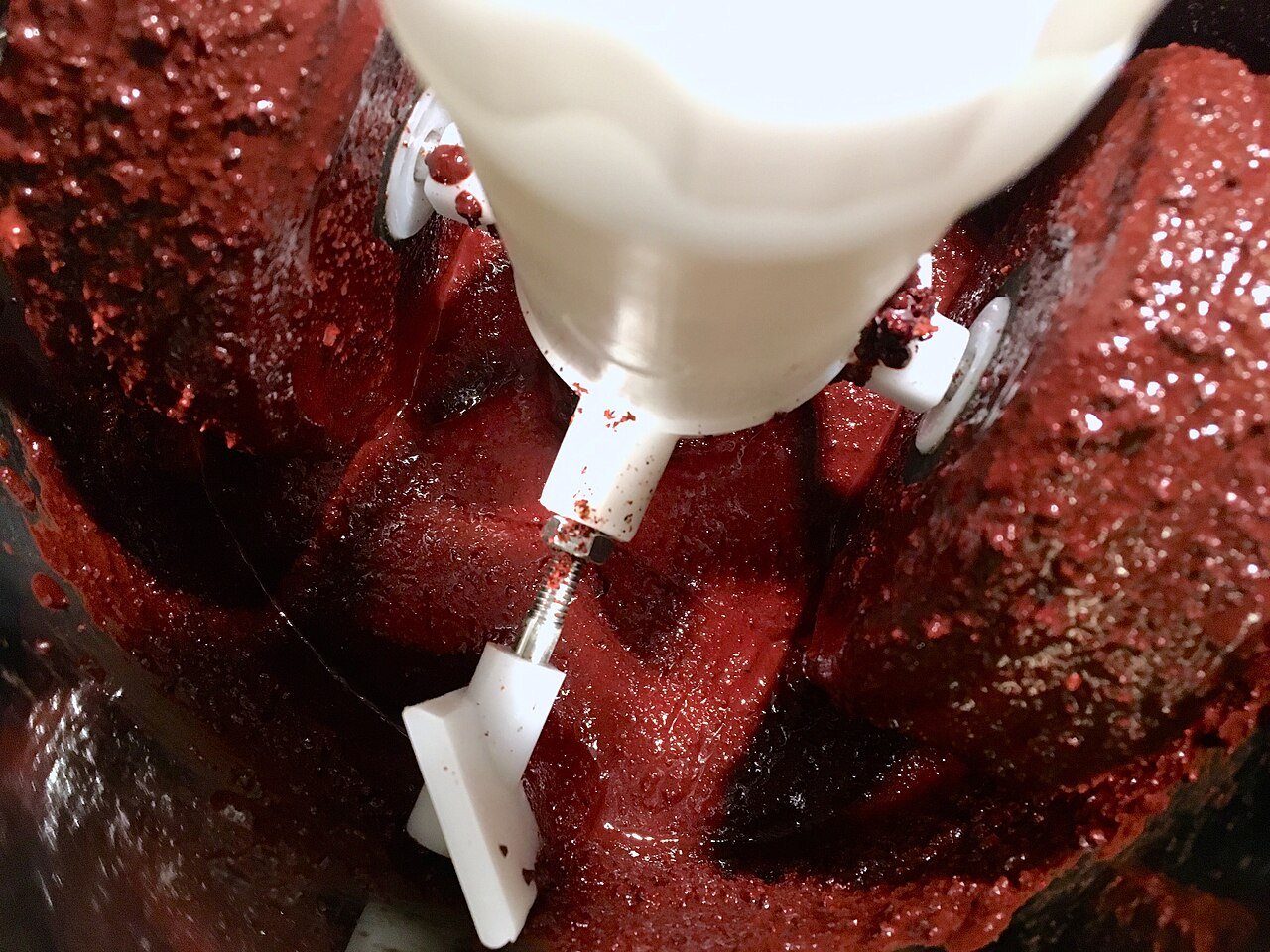
Cocoa liquor being ground in a melanger

Core Cocoa Ingredient

From Roasted Nibs to Flowing Cocoa Mass

Cocoa mass, also called cocoa liquor or cocoa paste, is produced by grinding roasted cocoa nibs until the naturally present cocoa butter allows the material to become a dense flowing paste. Despite the word “liquor,” it contains no alcohol. It is essentially the whole cocoa nib in finely ground form and therefore carries both cocoa solids and cocoa butter.

Chocolate makers use cocoa mass as a foundational ingredient because it contributes cocoa flavor, color, solids and fat in one material. It can also be used in fillings, coatings, bakery systems and other food applications. Commercial selection can involve origin, roast and flavor profile, physical form, particle characteristics, packaging and certification requirements.

Cocoa nibs before grinding into cocoa mass

Nibs

Cleaned and roasted beans are cracked and winnowed to remove shell. The nib is the cocoa-rich material that becomes liquor when finely ground.

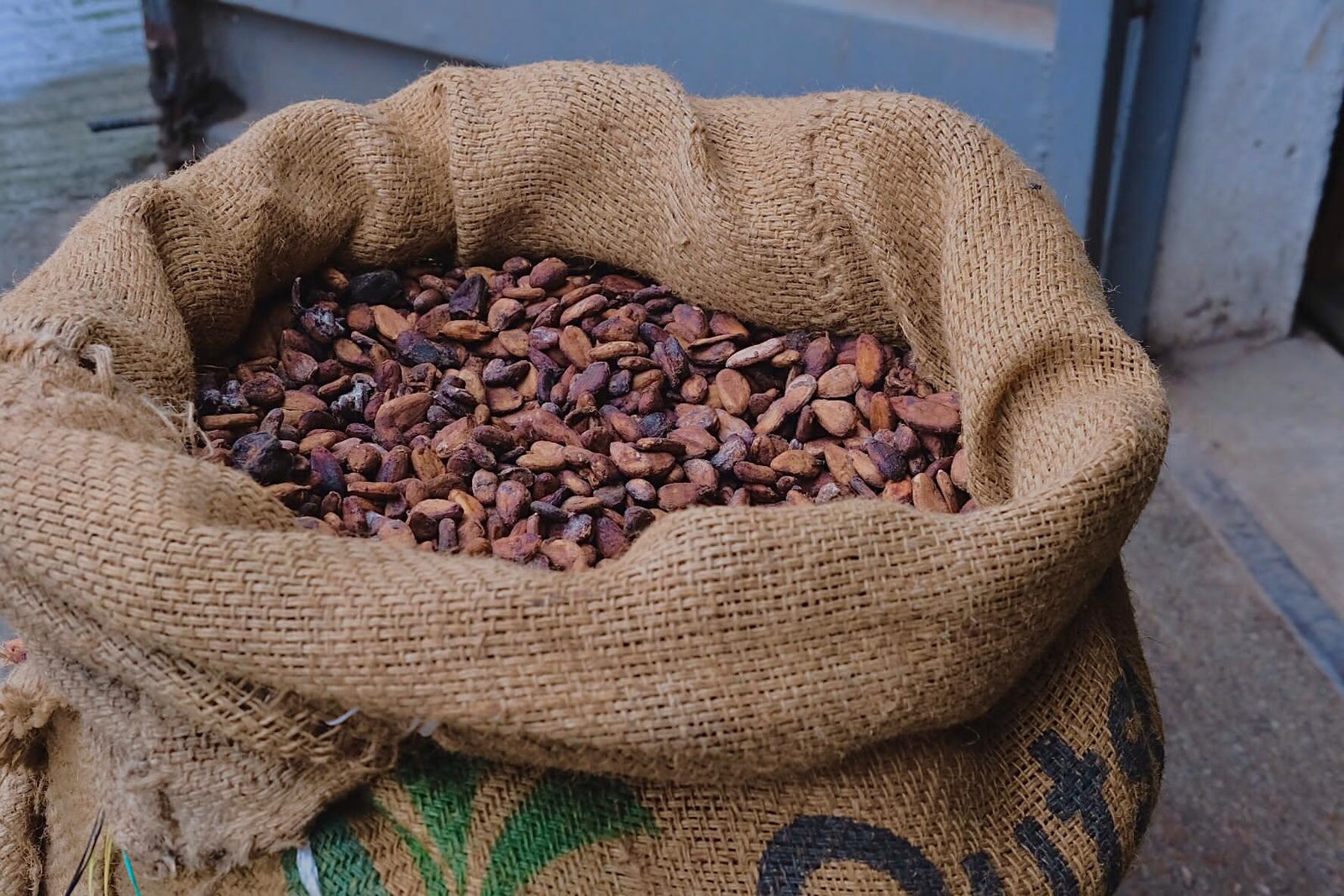
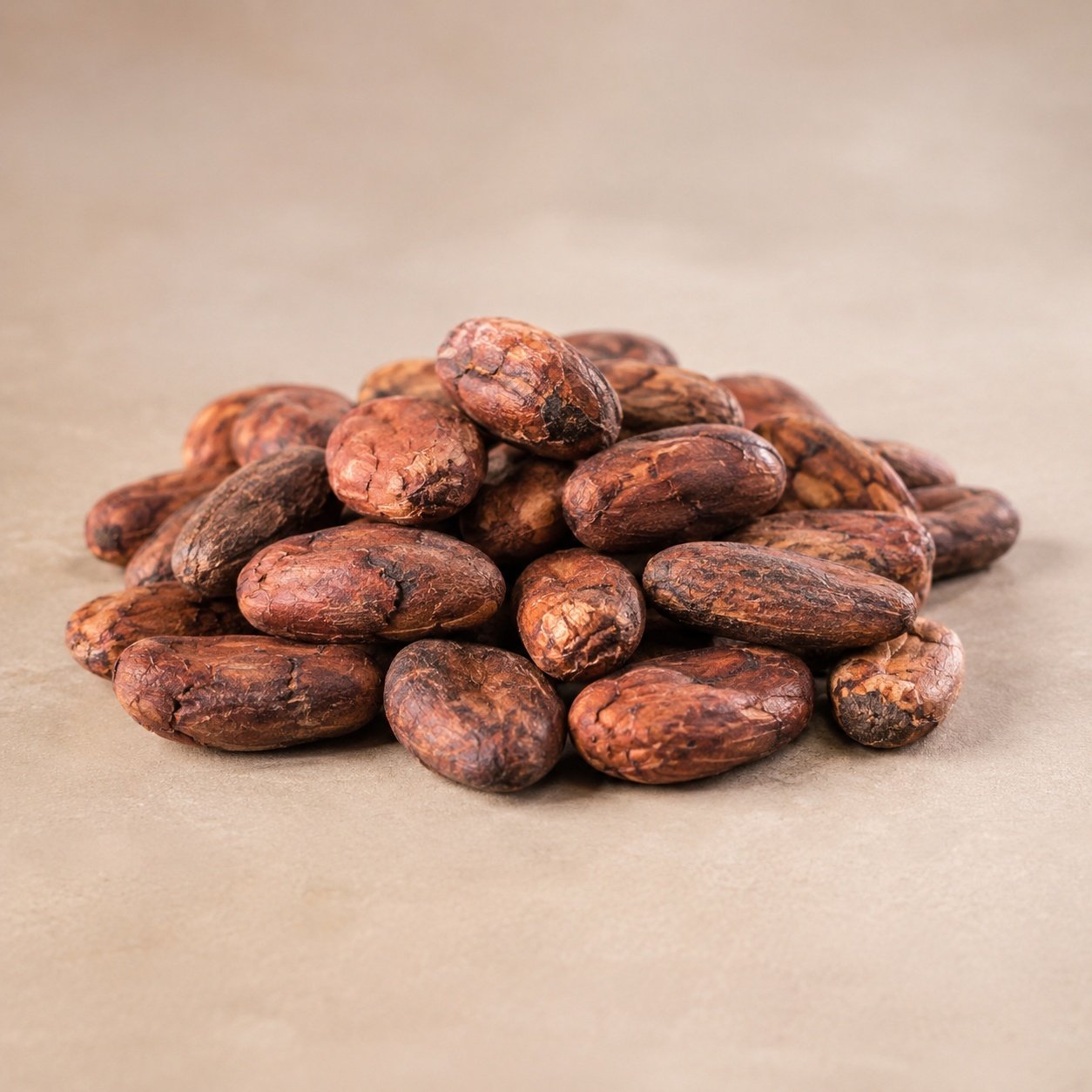
Cocoa beans as the agricultural raw material

Roast & Flavor

Bean origin and roast influence acidity, bitterness, aroma and distinctive cocoa notes. Buyers may seek a neutral industrial base or a more origin-driven profile.

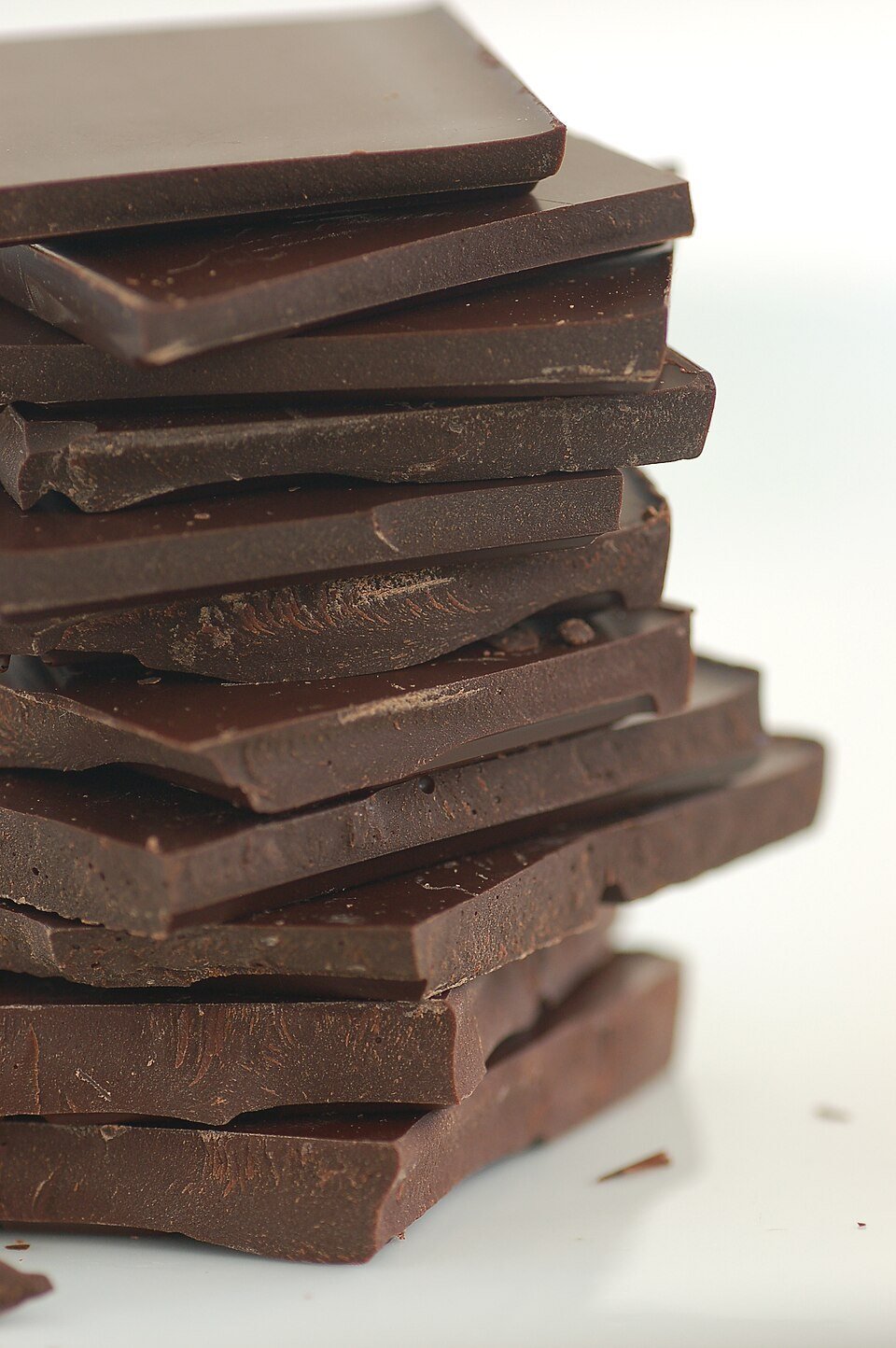
Chocolate made using cocoa mass

Application

Chocolate, coatings, fillings and bakery recipes can all use cocoa mass, with dosage and pairing determined by the manufacturer’s formula.

Specification

What Buyers Commonly Compare

Cocoa mass is less visibly differentiated than powder, but it can vary significantly in sensory character and production behavior. Origin can contribute fruit, floral, nut, earth or classic cocoa notes; fermentation and roasting can strengthen or reduce those characteristics. Industrial buyers may prefer a consistent, balanced mass that integrates easily with sugar, cocoa butter and milk ingredients, while specialty makers may specifically seek origin expression.

Technical documentation can include fat content, moisture, fineness or particle parameters, microbiological criteria, contaminant information and sensory standards. Because the mass contains the natural cocoa butter fraction of the nib, fat is typically a major compositional component. The exact percentage depends on raw material and processing and should be confirmed on the supplier specification.

Physical form matters operationally. Cocoa liquor may be shipped in blocks, kibbled pieces, chips or other industrial forms depending on manufacturer and packing system. A buyer with an automated melting line may have different handling preferences than a smaller facility loading blocks manually. Specifying the receiving process can therefore help avoid an otherwise suitable product arriving in an inconvenient format.

Temperature is also relevant because cocoa butter softens with heat. Storage and transport should follow supplier recommendations, protect the product from strong odors and contamination, and avoid conditions that damage packaging. During warm seasons or long routes, the logistics plan may need additional attention.

As with other cocoa ingredients, certification should be confirmed for the specific supply. Organic or sustainability claims cannot be inferred simply from origin or company policy. If a claim is mandatory, the applicable certificate and chain-of-custody status should be reviewed before contracting.

Cocoa mass icon
Inquiry data

Application, desired flavor direction, quantity, destination, preferred physical form, packing and required certifications.

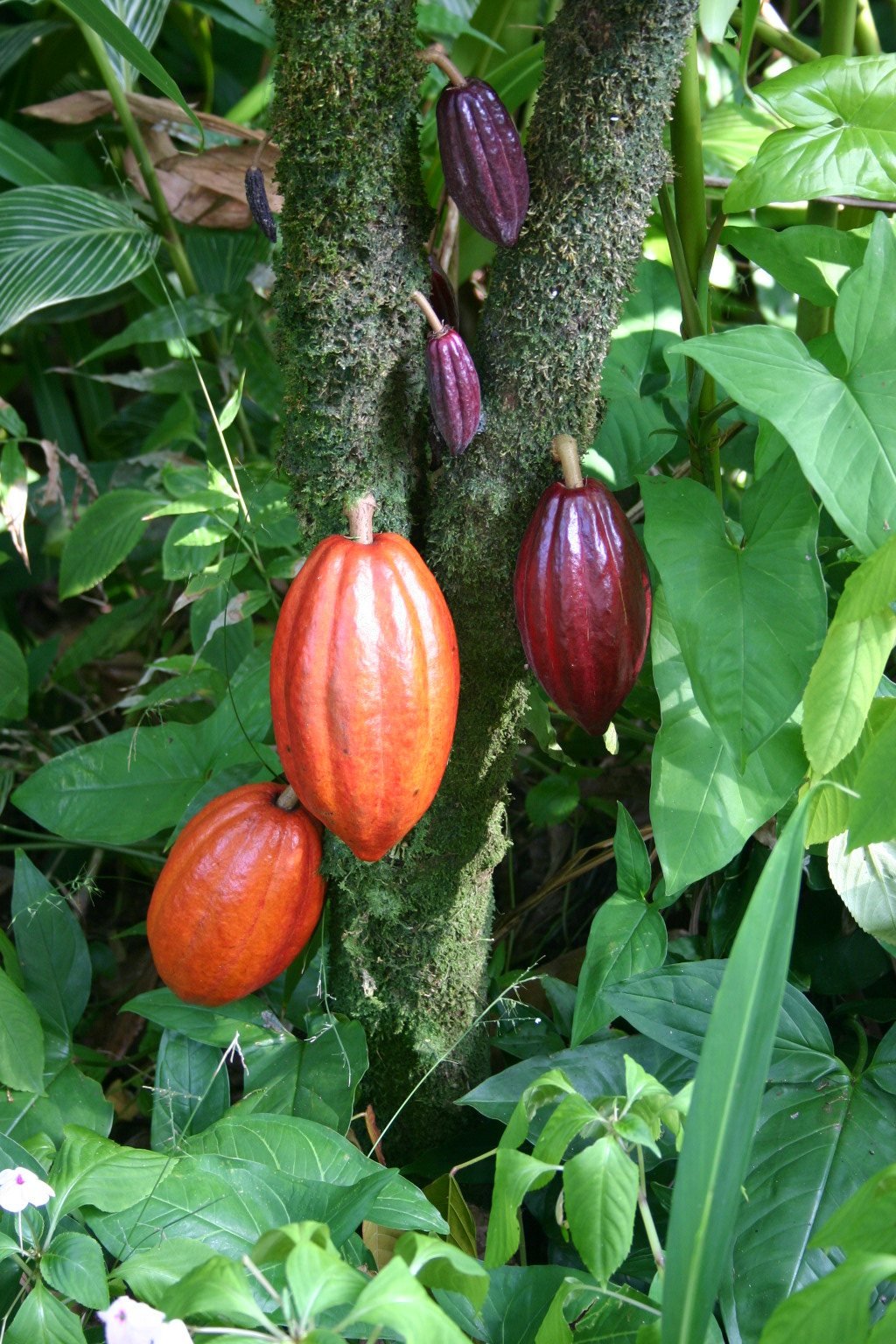
Cocoa pods representing origin selection
Warehouse handling of cocoa ingredients

Commercial Use

Why Cocoa Mass Is Often Evaluated Together with Butter and Powder

All three ingredients are connected through cocoa processing. Cocoa liquor can be pressed to separate cocoa butter from press cake; the press cake is milled to powder. A chocolate manufacturer may purchase liquor and additional butter, while a bakery may use powder only. A compound producer may combine powder with alternative fats, and a specialty maker may use origin-specific liquor to create a particular chocolate profile.

Understanding the full recipe helps Wenrex identify whether the buyer truly needs mass or whether another cocoa ingredient could better serve the application. For example, a customer seeking intense cocoa flavor plus natural cocoa fat may favor liquor, while a customer mainly seeking color and dry cocoa solids may prefer powder. These are formulation decisions, not substitutions that should be made without trials.

For new customers, sample evaluation can include melting behavior, aroma, flavor, particle perception and recipe performance. The buyer should record results against its current ingredient and define which differences are acceptable. When a sample is approved, the corresponding commercial specification and source should be clearly identified so the bulk order is matched to the evaluated product.

Recurring supply benefits from forecast visibility. Cocoa liquor production, packing format and shipping schedules may require planning, especially for certified or origin-specific material. Sharing approximate monthly demand and target delivery windows makes it easier to evaluate continuity rather than quoting one isolated shipment.

Qualification FAQ

Questions About Cocoa Mass / Liquor

Does cocoa liquor contain alcohol?

No. The term “liquor” is traditional cocoa-industry terminology for finely ground cocoa nibs. The material contains cocoa solids and the cocoa butter naturally present in the bean, but no alcoholic spirit. Depending on temperature and particle size it can be a thick paste or a flowing liquid, and it solidifies when cooled.

Why does origin matter in cocoa mass?

Cocoa mass carries the flavor of the bean more directly than highly processed or strongly alkalized ingredients. Origin, fermentation and roasting can influence acidity, fruit, floral, nut, bitterness and classic cocoa notes. Industrial users may seek consistency and blending performance, while specialty chocolate makers may value a distinctive origin profile. The buyer should communicate which objective matters more.

What physical formats are available?

Availability depends on the processor. Cocoa mass can be supplied as blocks, chips, kibbled pieces or other industrial formats designed for melting and handling. The most efficient choice depends on the buyer’s melting equipment, manual handling limits, storage and packing line. Format should be confirmed before quotation because it can affect packaging, palletization and labor.

How is cocoa mass related to butter and powder?

Cocoa mass can be pressed to separate cocoa butter from cocoa solids. The remaining press cake is then milled into cocoa powder. This means the three ingredients are linked through the same processing chain, although each final product can have its own additional processing and specification. A manufacturer may use mass plus extra butter, or use powder in systems where dry cocoa solids are more suitable.

Which technical values matter?

Buyers may review fat content, moisture, particle or fineness criteria, sensory profile, microbiology, contaminants and other supplier-specific parameters. Exact limits depend on the product and manufacturer. If a customer has a current cocoa-mass specification, sharing it allows Wenrex to determine whether a proposed source is comparable before samples are sent.

Can cocoa mass be shipped in hot weather?

It can be shipped, but its cocoa butter fraction makes it sensitive to temperature. Warm conditions may soften or melt the product and affect handling or package appearance. Storage and transport should follow the supplier’s recommendations and protect the material from contamination and strong odors. Route, season and receiving conditions should be considered during logistics planning.

When is sample testing especially important?

Sample testing is important when a buyer relies on a specific flavor profile, is changing origin or roast, or needs the mass to match a current chocolate recipe. The buyer can compare aroma, acidity, bitterness, melt, viscosity contribution and finished chocolate performance. A clear sample identity should be maintained so bulk ordering references the same commercial source.

How can repeat supply stay consistent?

Use an agreed specification, maintain source and product identification, share forecasts and provide feedback on each delivered lot. If a processor must change raw-material blend or production site, the impact should be communicated where relevant. Cocoa is agricultural, so absolute sensory uniformity is unrealistic, but good controls and stable sourcing can keep normal variation within an agreed commercial range.

Flavor Management and Industrial Use of Cocoa Mass

Cocoa mass often carries more direct bean character than powder, so flavor management can be central to procurement. A manufacturer may use one mass as a consistent base and another to add fruit, floral or roasted complexity. Large industrial recipes may blend multiple origins to stabilize cost and sensory profile across crop changes. Specialty products may do the opposite and highlight one origin. Wenrex can only match these goals effectively when the buyer describes the intended sensory direction and tolerance for natural variation.

Roast profile is another important variable. Light, medium and stronger roasts can emphasize different notes, while excessive roasting can create burnt or harsh character. The exact process belongs to the manufacturer, and the website does not assign a universal roast level to all cocoa mass. If roast character is critical, the buyer should request a sample and current sensory description from the proposed source.

In factory handling, block size and melting procedure can affect labor and production flow. Large blocks may be efficient for bulk users with heated melting tanks, while smaller pieces can be easier for manual dosing. The receiving team should confirm package dimensions, pallet configuration and whether any inner liner must be removed before melting. These operational questions are simple but can cause delays if discovered only after delivery.

For chocolate production, mass interacts with sugar, added cocoa butter, milk ingredients, emulsifiers and refining/conching conditions. A source change can therefore alter viscosity, flavor development or processing time even when the material meets specification. Qualification should consider the complete recipe and equipment. Technical data narrows the options, but production trials determine whether the ingredient truly fits.

Recurring programs benefit from a documented reference. Record the approved source, product code, specification, sample identity, application result and acceptable sensory range. If the proposed source changes, the new material can then be compared against a defined baseline. This approach is more reliable than relying on a generic name such as “standard cocoa liquor,” which can hide meaningful differences between processors and origins.
Commercial teams should also consider how cocoa mass is priced and compared. Because it contains both cocoa solids and naturally occurring cocoa butter, its economics do not map directly to powder or butter pricing. Origin premium, roast, certification, packaging and processing scale can all affect the offer. A technically strong comparison therefore uses the same physical form, certification status, Incoterm and destination basis.

Where a customer requires a specific cocoa-origin story, that requirement should be connected to documentation and change control. A marketing claim about origin is only useful if the commercial supply can support it consistently. If origin can vary within an approved blend, the finished-product claim should reflect that reality. Wenrex encourages buyers to align marketing, quality and procurement requirements before contracting so the supply brief is both technically correct and commercially sustainable.

Business Inquiry

Discuss Cocoa Mass Supply

Include application, preferred flavor direction, physical format, quantity, destination and any certification or technical requirements.

Request Information