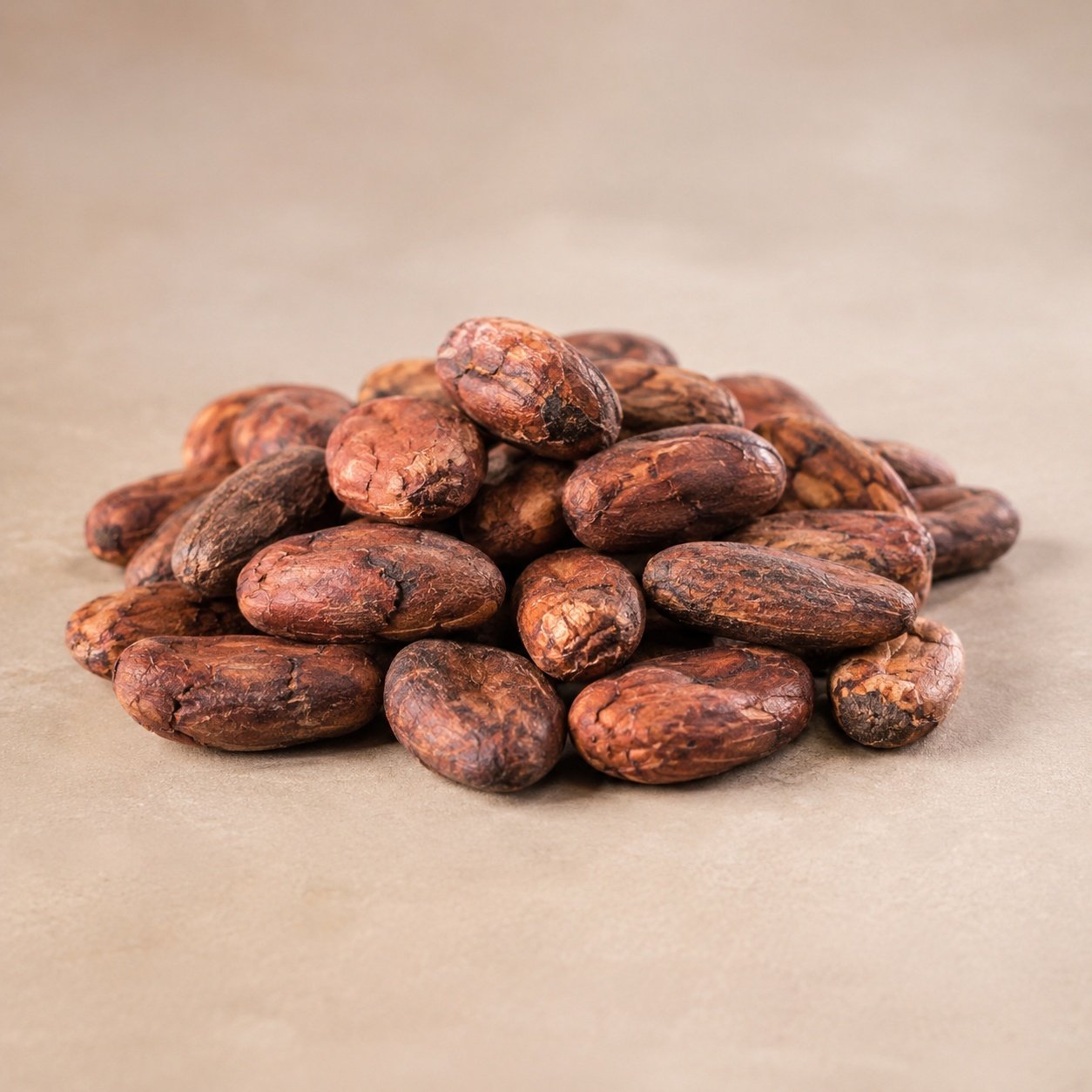
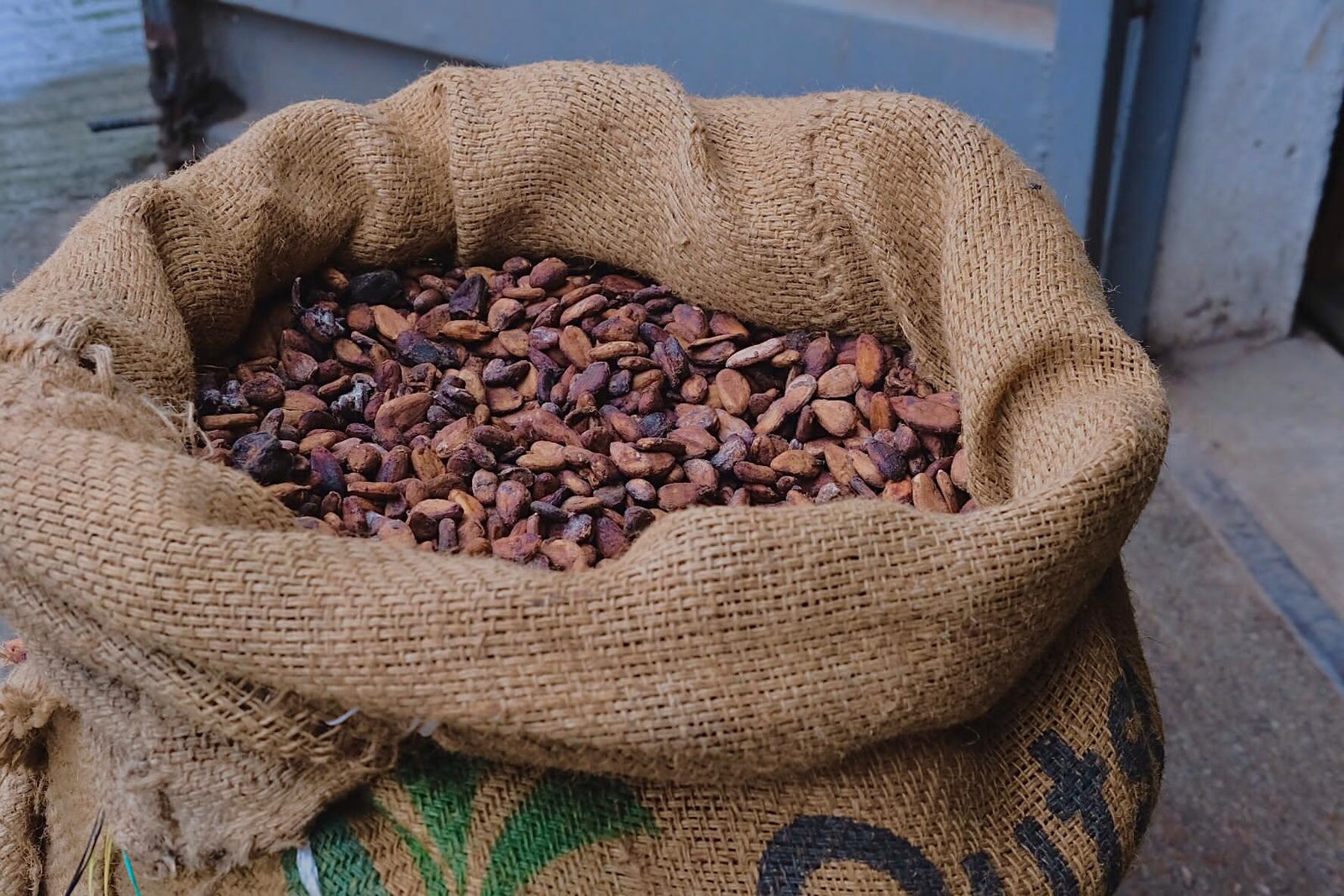
Dried cocoa beans in a sack

Raw Material

Beans for Processors, Chocolate Makers and Trading Partners

Cocoa beans are an agricultural raw material, so professional buying requires more detail than a generic grade name. Origin, crop period, fermentation, drying, moisture, bean size, defect levels, foreign matter, flavor potential, storage condition and packing can all influence suitability. Wenrex structures bean inquiries around these factors and the buyer’s process.

We do not present a single origin as universally superior. Different origins and post-harvest systems can produce different sensory and processing characteristics. The appropriate choice depends on whether the buyer is focused on industrial cocoa processing, chocolate flavor, blending, specialty positioning, cost efficiency or another objective. Final characteristics should be verified with the relevant lot documentation, sampling and agreed contract terms.

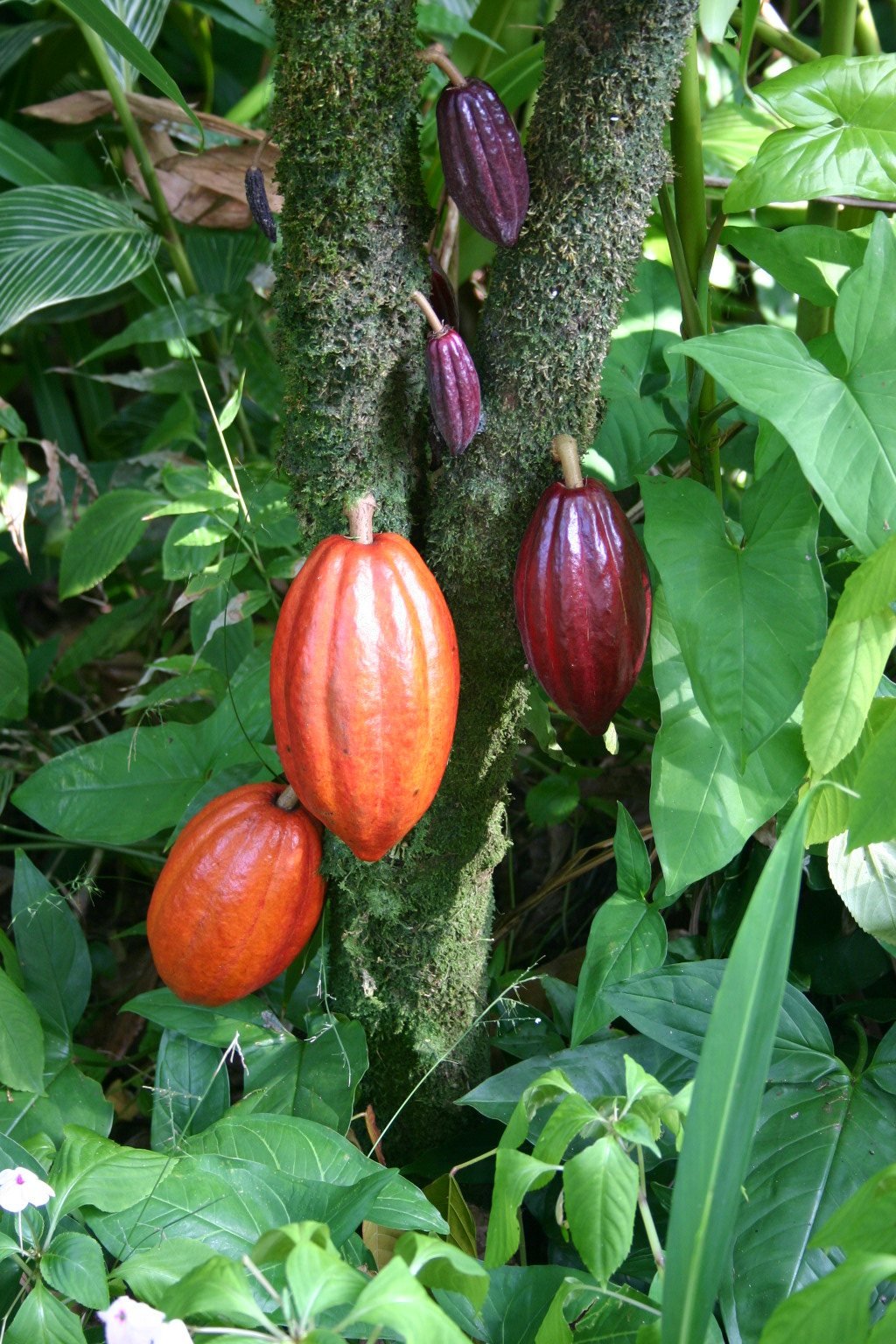
Cocoa pods at origin

Harvest & Origin

Variety, growing environment, maturity and harvest handling influence the starting material. For B2B trade, origin information is considered together with the practical quality specification.

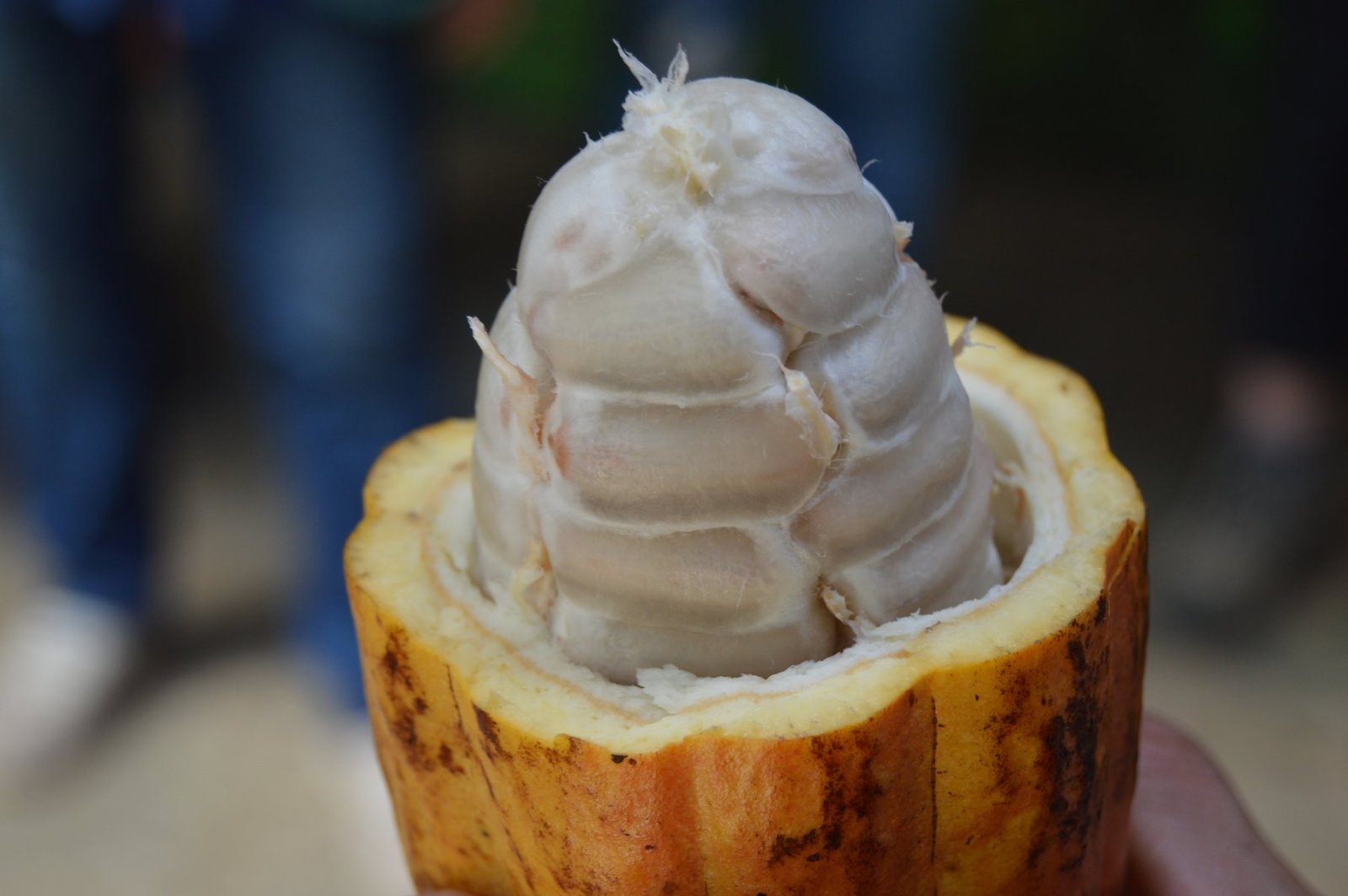
Fresh cocoa beans inside opened pods

Fermentation

Fermentation helps shape flavor precursors and bean character. Buyers may request well-fermented material or other defined profiles depending on processing and sensory targets.

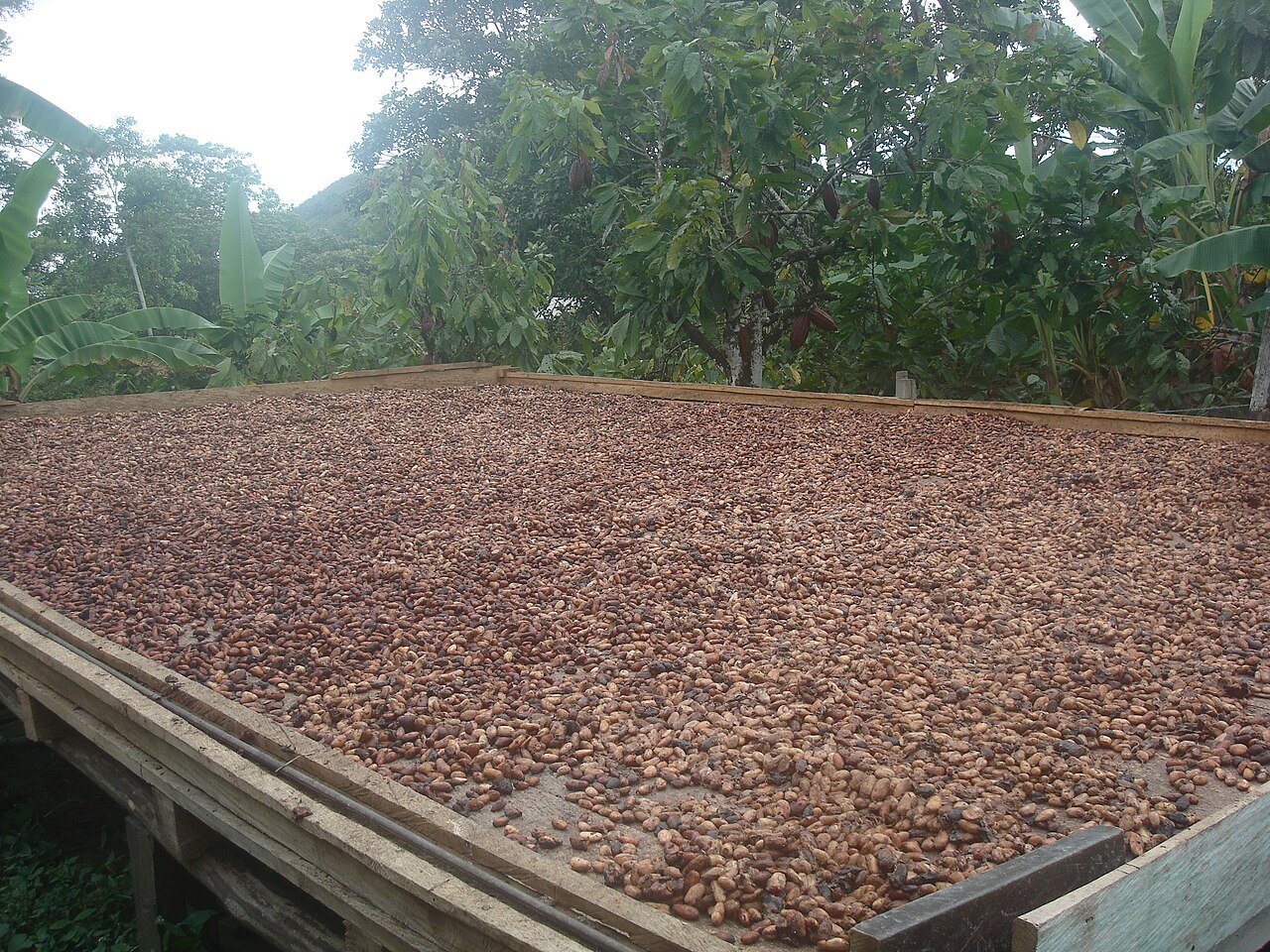
Cocoa beans drying naturally

Drying & Storage

Drying and clean storage are essential for preserving quality. Moisture, odor exposure, mold risk and bag condition are relevant inspection and specification points.

Buying Criteria

How Commercial Bean Specifications Are Built

A cocoa bean specification generally combines physical, sensory and food-safety considerations. Physical criteria can include moisture, bean count or size distribution, broken beans, flat beans, slaty or defective beans, foreign matter and evidence of infestation. The exact test method and acceptance limits should be defined by the buyer and supplier. A cut test may be used to evaluate internal bean condition and fermentation-related characteristics. These factors are especially important when beans will be roasted, winnowed and ground in the buyer’s own process.

Sensory requirements are more difficult to capture in a simple table. Cocoa character, acidity, bitterness, astringency, fruit notes, nutty notes, floral character and off-flavors can all matter depending on the application. Industrial processors may prioritize consistency across large volumes, while craft or specialty makers may value distinctive origin character. Wenrex therefore recommends that sensory expectations be communicated alongside measurable requirements rather than replaced by vague terms such as “premium.”

Food-safety and regulatory expectations vary by destination and customer. Pesticide residues, contaminants, heavy metals, microbiological expectations and other controls may be relevant. Beans are a raw agricultural product and are normally further processed, but importers and manufacturers may still require specific declarations or testing. Buyers should identify mandatory destination requirements at the inquiry stage so they can be discussed before shipment.

Sampling can be important for new programs. A representative sample allows the buyer to review appearance, cut-test results, roasting behavior and sensory performance before committing to a larger shipment. Sampling does not eliminate natural agricultural variation, so the commercial contract should still define the agreed specification and lot documentation. For repeat business, an agreed reference and consistent communication can make future purchasing more efficient.
Quality icon
Common review points

Origin and crop

Moisture and bean condition

Fermentation / cut test

Defects and foreign matter

Bagging and loading

Destination documentation

Cocoa nibs after cracking and winnowing
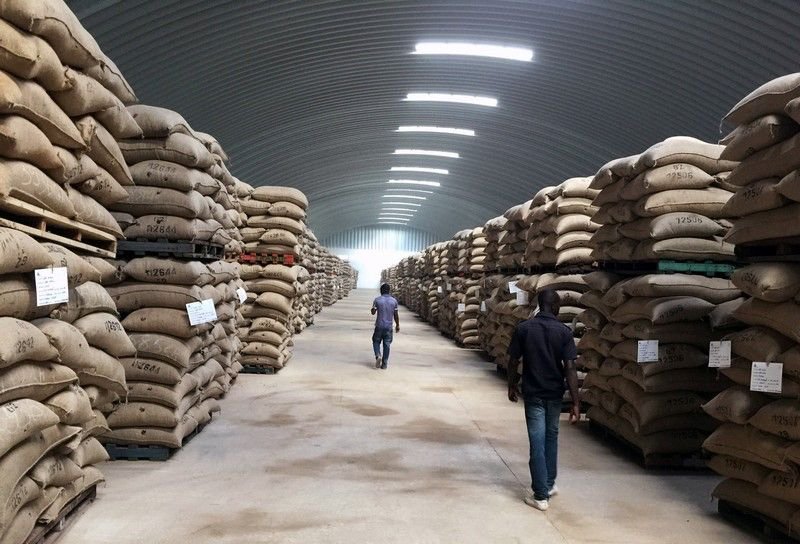
Modern logistics and palletized export preparation

Packing & Logistics

Protecting Bean Quality in International Movement

Good beans can lose value if they are poorly packed or exposed to unsuitable conditions. Bag material, liner use where applicable, palletization, container cleanliness, ventilation strategy, moisture management and transit time can all influence shipment risk. The correct approach depends on origin, climate, destination, shipment method and buyer procedure. These details should therefore be confirmed for the actual order rather than assumed from a standard photograph.

Container loading needs to be planned around net weight, bag count, legal transport limits and the physical handling method at origin and destination. Buyers may require palletized cargo for warehouse handling, while other programs use floor-loaded bags to maximize container utilization. Each option has cost and operational implications. Wenrex coordinates the agreed format with the supply side and makes it part of the commercial discussion.

Documents may include commercial invoice, packing list, bill of lading, certificate of origin, phytosanitary or fumigation-related documents where relevant, weight or quality certificates and other destination-specific paperwork. The precise set depends on the countries, product status, contractual terms and authorities involved. Buyers should confirm their import documentation requirements before loading because changes after shipment can be difficult or costly.

For recurring bean programs, consistency matters as much as one successful shipment. Forecasts, origin seasonality and quality feedback can help improve future matching. If a buyer blends origins or uses a specific roast profile, sharing performance feedback allows future offers to be evaluated more intelligently. Our goal is to make the trade loop informative rather than transactional only.

Bean Procurement

Detailed Questions for Cocoa Bean Buyers

A physical specification controls measurable acceptance, but origin can still influence flavor, bean size, crop timing, logistics and regulatory context. Two origins can meet similar moisture and defect limits yet behave differently in roasting and sensory evaluation. Industrial buyers may blend origins to manage consistency and cost, while specialty buyers may deliberately preserve origin character. The right approach is to use origin as one dimension of the requirement rather than as a substitute for quality data.

Fermentation is a post-harvest process that develops flavor precursors and changes the internal bean. Under-fermented, over-fermented or poorly managed beans can produce different sensory outcomes. Buyers often use cut tests and sensory evaluation alongside physical specifications to understand fermentation quality. Exact expectations depend on the product. A highly standardized industrial program may define acceptance ranges, while a specialty chocolate maker may evaluate fermentation together with varietal and origin character.

Moisture is important because overly wet beans can be more vulnerable to mold, storage deterioration and weight disputes, while very dry beans can have other handling consequences. The contract should define the limit, test method or reference method and, if relevant, how results are determined at origin or destination. A single handheld reading should not automatically override the agreed method. The goal is a clear, repeatable basis for acceptance.

Defect terminology can include moldy, slaty, insect-damaged, germinated, flat, broken or otherwise non-conforming beans, depending on the grading system. Defects can affect flavor, yield and processing. Buyers should define the classification system they use rather than assume every country or supplier applies the same terminology. Sampling method also matters because a small sample must reasonably represent a much larger lot.

Either can be appropriate. Pallets can simplify warehouse handling and reduce direct contact with the container floor, but they use space and add weight and cost. Floor loading can maximize bag count but requires more manual handling and careful container preparation. The preferred method depends on bag size, destination labor, warehouse equipment, container utilization and customer policy. It should be decided before the freight quote and loading plan are finalized.

Use clean, dry, cargo-worthy containers; protect bags from water ingress; avoid contamination by previous cargo; and plan ventilation or moisture-control measures appropriate to route and climate. Cocoa beans can absorb odors, so strong-smelling materials are a serious concern. The logistics provider and exporter should use procedures suitable for food-grade agricultural cargo. If a buyer requires desiccants, liners, kraft paper, pallet sheets or a particular container inspection protocol, this should be stated in the order.

No. Traceability describes the ability to connect product to a defined source or chain of custody. Certification is a formal scheme with standards and verification. A shipment can have origin information without being certified, and a certified program can use different chain-of-custody models. Buyers should specify what evidence they need, especially when regulatory due diligence or finished-product claims depend on farm-level or certified information.

The buyer should record the approved specification, lot performance, roast behavior, sensory results, packaging condition and any logistics observations. That feedback becomes a practical reference for future offers. If the next crop or source changes, Wenrex can compare the new proposal against the established acceptance points. Long-term consistency is improved when the buyer communicates not only whether the shipment was “good,” but which measurable and sensory characteristics worked well.

Bean Sampling, Weighing and Contract Discipline

Cocoa bean disputes are often easier to prevent when sampling and weighing procedures are agreed before shipment. A lot can contain many bags, while laboratory or cut-test work is performed on a much smaller composite sample. The sampling plan therefore matters. The contract can identify whether sampling is performed at warehouse, loading, discharge or another point, who is authorized to take samples and which method governs. Where an independent surveyor is used, the inspection scope should be written clearly rather than assumed.

Weight also needs a defined basis. Gross, tare and net weights should be consistent with bag count and transport documents. Some contracts rely on certified scales at origin, while others provide for destination verification or a tolerance. Natural moisture loss during transit can complicate interpretation, especially on long routes. Clear commercial rules reduce the chance that a normal difference becomes a dispute.

Warehouse rotation is another practical quality issue. Beans should be stored in clean, dry conditions, protected from pests, water and strong odors. First-in/first-out principles and clear lot identification help maintain traceability. If the buyer expects extended storage, the planned conditions should be considered during sourcing because bag type, moisture and climate can affect risk over time.

Finally, bean contracts should use objective language. “Good quality” is not a test method. Defined limits, named grading systems, agreed reference samples and clear documentary requirements make acceptance more predictable. Sensory expectations can also be described using an approved sample or scorecard. Wenrex’s role is to help translate the commercial request into a supply brief that can be understood by the origin side and evaluated by the buyer on delivery.

For procurement teams, it is also useful to document acceptable seasonal variation. Cocoa is not manufactured from an identical synthetic feedstock, so crop changes can influence size, color and sensory profile even within specification. Defining which characteristics are contractual limits and which are normal agricultural variation helps quality teams make consistent receiving decisions. Where a buyer needs tighter sensory continuity, blending strategy, approved origins or pre-shipment sample comparison can be discussed as part of the program.

Business Inquiry

Send a Cocoa Bean Inquiry

Include target origin if any, approximate quantity, destination, quality expectations, bag preference and required shipment window.

Request Information